In the fast-evolving world of medical materials, few innovations have generated as much quiet impact as medical-grade Thermoplastic Polyurethane (TPU) films. While many associate TPU with shoe soles or phone cases, its role in the medical industry is rapidly expanding—driven by demands for biocompatibility, flexibility, and durability.
Let’s break down why medical membrane TPU is becoming the go-to material for wound care, catheters, and surgical barriers, and how Xin Gen Tech is leading the charge with actionable solutions.
According to a 2023 industry report, the global medical TPU market is projected to grow at a CAGR of 7.2% from 2024 to 2030, reaching nearly $1.8 billion. This surge is fueled by two key factors: the need for infection-resistant materials and the rise of wearable medical devices.
Case in Point: Wound Dressings
Traditional gauze and silicone-based dressings often lack breathability and moisture control. TPU films, however, offer a waterproof yet breathable barrier—critical for burn victims or post-surgical patients. For example, a study published in the Journal of Wound Care found that TPU-based dressings reduced healing time by 20% compared to standard materials, thanks to their ability to maintain optimal humidity.
Xin Gen Tech’s Edge: The company’s medical-grade TPU films are certified under ISO 9001:2015 and FDA regulations, ensuring zero cytotoxic effects. More importantly, their in-house lab can replicate mass production lines on a 1:1 scale, allowing for rapid sampling with customized thickness (down to 0.02mm) and hardness.
Actionable Takeaway:
If you’re developing a wound care product, insist on TPU films with OEKO-TEX and REACH certifications to meet global regulatory standards. Avoid batch inconsistencies by partnering with manufacturers like Xin Gen Tech that offer consistent sample quality from the get-go.
Catheters are a $45 billion global market, but infection rates remain a persistent issue. Traditional PVC and silicone catheters can cause allergic reactions or biofilm formation. Enter medical TPU films—which combine flexibility with antibacterial properties.
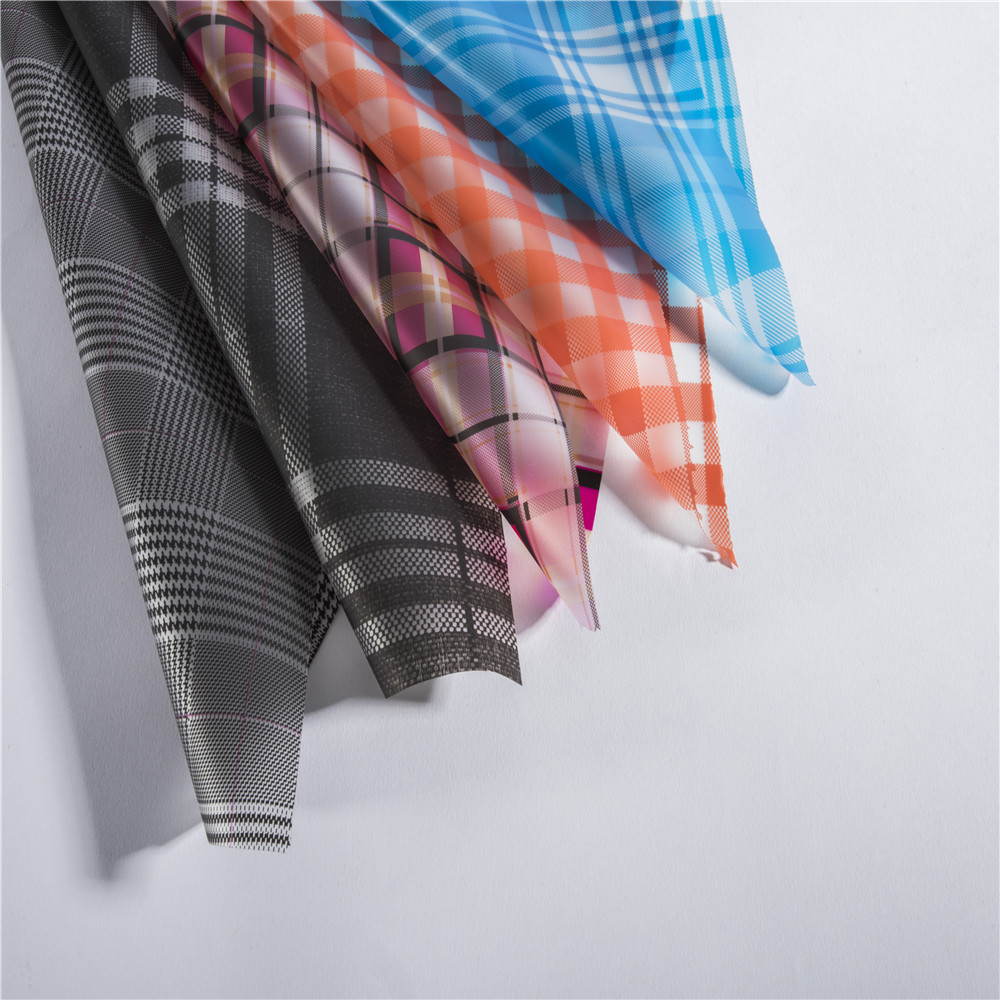
Real-World Example: In 2022, a Brazilian hospital replaced PVC-based urinary catheters with TPU-coated alternatives. Infection rates dropped by 35% over six months, as documented in a clinical trial. The reason? TPU’s surface is naturally smoother, reducing bacterial adhesion, and its transparency allows for better visual inspection.
Why Xin Gen Tech Stands Out:
The company’s TPU films are used in bulletproof glass lamination (a demanding application requiring optical clarity and adhesion). This same technology applies to catheters, where high-adhesion TPU ensures layers don’t delaminate under stress. Their facility in Shanghai, covering 6,000 sq meters, includes a dedicated R&D lab for biocompatibility testing.
Actionable Takeaway:
When sourcing TPU for catheters, prioritize suppliers with EU 10/2011 and SGS certifications. Ask for sample testing under simulated body fluid conditions (e.g., at 37°C for 72 hours) to ensure no leaching. Xin Gen Tech’s fast sampling process (sample width: 400mm) can accelerate your product development by weeks.
The wearable medical device market is expected to hit $100 billion by 2025. But without a durable, skin-friendly membrane, these devices fail. TPU films are ideal for electrode patches and glucose monitors because they can:
Self-heal minor scratches (a property also found in phone screen protectors).Industry Insight: Apple’s latest research on smartwatch bands reportedly tested TPU composites for ECG accuracy. While not confirmed, this aligns with broader trends—companies like Medtronic and Abbott are exploring TPU for continuous monitoring patches.
Xin Gen Tech’s Role: They already supply TPU for textile lamination (e.g., waterproof outdoor gear), which translates directly to wearable devices. Their TPU films can be laminated with polyester fibers, creating a stretchable yet waterproof seal—critical for 7-day wear sensors.
Actionable Takeaway:
For wearable devices, request TPU films with custom functional requirements (e.g., UV resistance or anti-yellowing). Xin Gen Tech’s support for tailored thickness (0.02mm to 0.5mm) and hardness (50A to 90A) lets you fine-tune the user experience. Run a peel test after 100 flex cycles to ensure long-term adhesion.
One of the biggest challenges in medical product development is cost. Traditional prototyping can take months and burn $10,000+ in tooling fees. Sampling inefficiency kills momentum for startups and even established firms.
The Xin Gen Solution:
Their 400mm-wide lab equipment mimics mass production lines exactly. This means:
Real Result: A Brazilian client needed TPU film for bulletproof glass lamination (a specialty field). Xin Gen Tech provided samples within 10 days, and after passing tests, the product entered pilot production. The same speed applies to medical applications.
Actionable Takeaway:
If you’re a medical device startup, don’t wait for a full production run. Use Xin Gen Tech’s sampling system for initial lamination trials with your substrate (e.g., polycarbonate or fabric). This de-risks your design before scaling.
The medical TPU market is crowded with giants like Covestro and BASF. But Xin Gen Tech brings three underrated advantages:
Vertical integration: From R&D in Shanghai to sales offices in Shenzhen and Los Angeles, they control the entire chain—from polymer compounding to film extrusion.Final Thought: The future of medical devices depends on materials that are both high-performance and patient-friendly. TPU films are not just a trend—they’re a necessity for infection control, wearability, and durability. Xin Gen Tech has positioned itself as the silent partner behind this revolution.
Call to Action:
Next time you’re prototyping a medical device, ask your material supplier three questions:
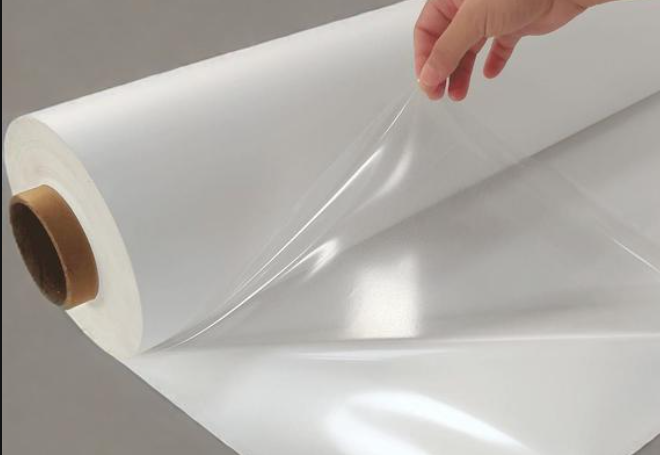
If the answer includes ISO 9001, FDA, and a fast sampling lab, you’re on the right track. Xin Gen Tech checks all these boxes—and their track record in Brazil, China, and the US speaks for itself.