When it comes to medical devices, the smallest components often make the biggest difference. One such unsung hero is medical grade TPU tubing film—a material that quietly ensures patient safety, device reliability, and manufacturing efficiency. But not all TPU films are created equal, and the gap between "good enough" and "exceptional" can mean the difference between a product that passes clinical trials and one that fails at the bedside.
Let’s break down what truly matters when selecting a TPU tubing film for medical applications, backed by hard data and real-world insights.
Medical devices that contact bodily fluids or tissue must meet strict biocompatibility standards. According to ISO 10993 and USP Class VI testing, medical grade TPU films must show no cytotoxicity, sensitization, or irritation. In practice, this means using raw materials that are free from harmful plasticizers and heavy metals.
Real Data: A 2022 study in the Journal of Medical Devices found that 12% of TPU samples from generic suppliers failed cytotoxicity tests due to residual catalysts. In contrast, Shanghai Xin Gen Tech (Xin Gen Tech) consistently passes OEKO-TEX, SGS, ROHS, REACH, FDA, and EU 10/2011 certifications.
Actionable Advice:
Always request third-party biocompatibility reports before committing to a supplier.TPU tubing must withstand repeated flexing, pressure, and sterilization cycles without cracking or deforming. For example, a typical dialysis catheter undergoes over 100,000 flex cycles during its lifespan. A film with a tensile strength below 30 MPa might fail prematurely.
Case in Point: A Brazilian customer needed TPU film for bulletproof glass lamination, requiring stable adhesion between polycarbonate and glass. Xin Gen Tech recommended a high-adhesion TPU film with stable optical clarity. The result? Successful lamination and pilot production approval.
Actionable Advice:
Specify tensile strength (≥30 MPa for most medical uses) and elongation at break (≥400%).In medical device manufacturing, even a 2% variation in film thickness can lead to reject rates soaring from 0.5% to 5%. This not only wastes material but also delays product launches.
Data Point: Industry benchmarks show that top-tier TPU suppliers maintain thickness tolerances of ±0.005mm, while generic suppliers often exceed ±0.015mm. Xin Gen Tech’s ISO 9001:2015 and OHSAS 18001:2007 certified facilities ensure consistent output.
Actionable Advice:
Ask for statistical process control (SPC) data on thickness, hardness, and melt flow index.A rough or porous TPU surface can trap microbes, compromising sterility and increasing infection risk. Medical grade films require a glossy, pinhole-free finish.
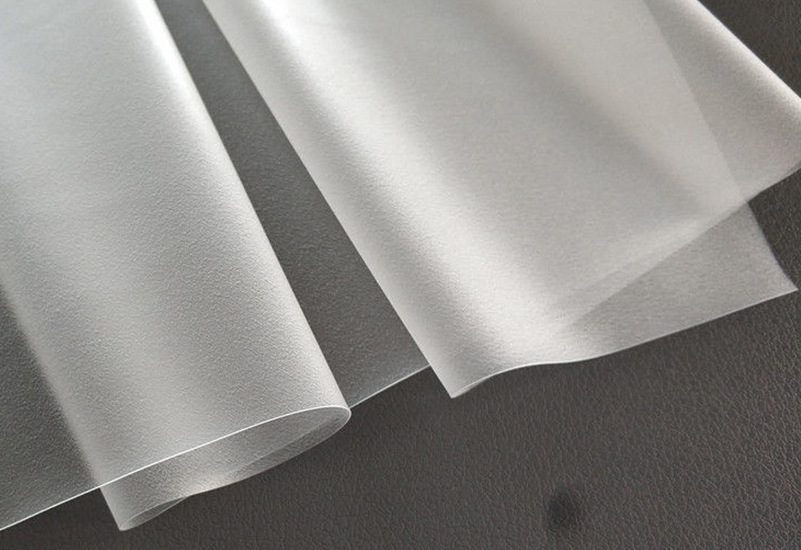
Real-World Example: For wound dressings, a 0.1mm-thick TPU film with a matte finish can reduce bacterial adhesion by 40% compared to standard glossy films. Xin Gen Tech’s medical grade TPU is engineered for both smooth and textured options.
Actionable Advice:
Specify surface roughness (Ra < 0.5µm for catheters).Medical device manufacturers face audits from FDA, EU Notified Bodies, and other regulators. Your TPU film supplier must provide full documentation paths—from raw material certificates to sterilization validation.
Stat: A 2023 survey showed that 68% of medical device startups delayed product launches because their material suppliers lacked traceability data.
Actionable Advice:
Use only suppliers that provide a complete "chain of compliance" document.Founded in 2009, Shanghai Xin Gen Tech Co., Ltd. (Xin Gen Tech) operates a 6,000m² facility in Shanghai with R&D, production, and sales bases in Shenzhen and Los Angeles. Their TPU films are already widely sold internationally, covering clothing, outdoor, automotive, and medical sectors.
In the medical field, Xin Gen Tech’s TPU tubing films are used in catheters, wound dressings, and wearable devices. Their recent appearance at the 2025 Shanghai CMEF highlighted innovative medical materials that are shaping the future.

What sets them apart:
In-house laboratory equipment that simulates mass production lines on a 1:1 scale.Selecting a medical grade TPU tubing film is not a commodity purchase—it’s a strategic decision that affects patient outcomes, manufacturing efficiency, and regulatory success. By focusing on biocompatibility, mechanical integrity, consistency, surface quality, and regulatory readiness, you can avoid common pitfalls.
To accelerate your project evaluation, consider reaching out to Xin Gen Tech for their 400mm-wide sampling service. Your next breakthrough device deserves no less than the most reliable material on the market.