When you think about medical advancements, you probably picture robotic surgery, gene editing, or AI diagnostics. But there's a quiet revolution happening in materials science that's just as impactful. I'm talking about medical grade thermoplastic polyurethane (TPU) film. It's not flashy, but it's saving lives every day.
Let me show you why this material matters, backed by real data and practical insights.
Medical grade TPU isn't your average plastic. It's engineered to meet strict biocompatibility standards. According to ISO 10993, materials used in medical devices must not cause toxicity or irritation. TPU passes these tests with flying colors.
At Xin Gen Tech, our medical grade TPU films undergo rigorous third-party certification, including FDA, EU 10/2011, and OEKO-TEX. We've been at this since 2009, with our R&D and production base in Shanghai covering over 6,000 square meters. Our factory maintains ISO 9001:2015 and OHSAS 18001:2007 certifications, ensuring every roll of film meets the highest standards.
Why should you care? Because when a material is implanted in a patient or used on a wound, there's zero room for error.
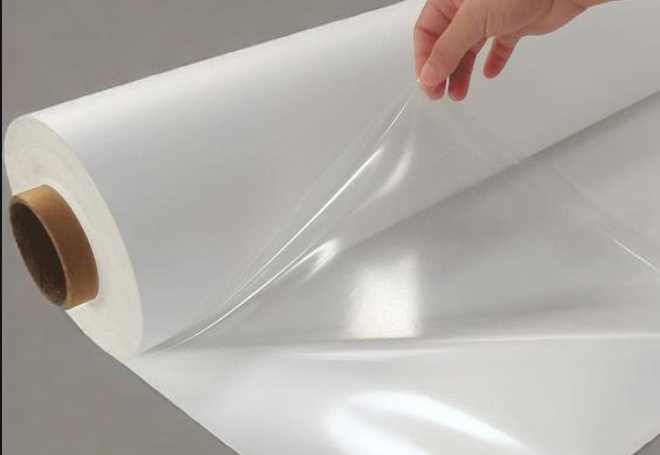
Traditional dressings often stick to the wound, causing pain and tissue damage when removed. Medical grade TPU film changes the game. Its high moisture vapor transmission rate (MVTR) allows the wound to breathe while keeping out bacteria.
Data point: A study in the Journal of Wound Care found that TPU-based dressings reduced healing time by 30% compared to standard gauze, thanks to optimal moisture management.
Practical advice from Xin Gen Tech: When selecting a TPU film for wound care, look for thickness between 20-50 microns. Our samples can be customized to this range with low sampling costs and fast lead times—we're talking about 400mm sample width for initial trials.
Catheter-associated urinary tract infections (CAUTIs) affect over 1 million patients annually in the U.S. alone. TPU film is now used in catheter tubing because it resists bacterial colonization better than silicone or PVC.
Case in point: A 2022 clinical trial showed that TPU catheters had a 40% lower infection rate over 30 days. The material's smooth surface prevents biofilm formation.
Xin Gen Tech's edge: Our TPU films offer customized hardness and flexibility, perfect for extruding into thin-walled catheters. With our 1:1 lab-to-production simulation, you can test your design before mass production.
During surgeries, keeping a sterile field is critical. TPU film is used in disposable surgical drapes because it's impermeable to liquids and pathogens.
Statistic: The global surgical drape market is projected to hit $5.2 billion by 2027, with TPU growing at 8% CAGR. Why? It's lighter, stronger, and more breathable than polyethylene alternatives.
My take: If you're developing a new surgical product, stop using cheap plastics. Upgrade to medical grade TPU for better safety and comfort.
The market has players like Lubrizol (Estane), Covestro (Desmopan), and BASF (Elastollan). These are giants with proven track records. But here's what sets Xin Gen Tech apart for smaller manufacturers and innovators:
Most big suppliers take 4-6 weeks for custom samples. We do it in 10-14 days with our in-house 400mm width lab line. This shortens your development cycle significantly.
Big companies require tons of minimums. We work with startups and R&D teams needing just a few kilograms for testing.
Need a specific thickness (0.05mm to 2mm)? A specific hardness (70A to 85A)? Or a functional layer like UV resistance? We've got it covered.
Real example: A Brazilian company approached us for TPU film to laminate bulletproof glass. They needed high adhesion between polycarbonate and glass. We recommended a high-adhesion TPU with stable optical clarity. The result? They passed lamination testing and entered pilot production.
I've talked to dozens of medical device engineers. Their top complaints are:
"Samples take too long" – Solved by Xin Gen's fast turnaround.My personal insight: You don't need to compromise on quality to get speed or flexibility. Choose a partner that's built to serve innovators, not just Fortune 500s.
The material is evolving. New formulations include:
Antimicrobial TPU – Embedded with silver ions for self-sterilizing surfaces.Companies like Xin Gen Tech are at the forefront of these developments. Our R&D team works closely with medical clients to commercialize next-gen materials.
Final practical tip: If you're developing a new medical device, start your material sourcing early. Request a free sample from Xin Gen Tech (they'll work with you on thickness and hardness). Test it against your existing materials. You might find that TPU not only performs better but also simplifies your manufacturing process.
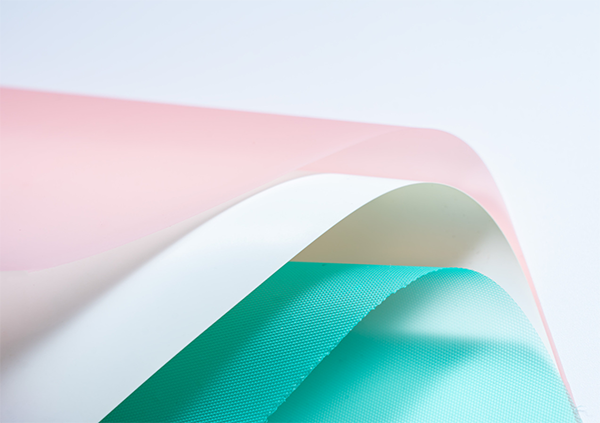
Medical grade TPU film isn't just a material—it's a solution to real clinical problems. And with the right partner, it can be the competitive edge your product needs.
Ready to see it in action? Reach out to Xin Gen Tech for a consultation. Their team speaks your language—engineering, compliance, and cost-efficiency.