In the fast-paced world of medical innovation, the materials behind life-saving devices often go unnoticed. One such material is medical-grade TPU (Thermoplastic Polyurethane) film. While it might not grab headlines, its role in wound care, catheters, and surgical drapes is undeniable. As a professional in the industry, I’ve seen how choosing the right supplier can make or break a product’s success. Today, I’ll walk you through why Shanghai Xin Gen Tech Co., Ltd. stands out as a top-tier supplier, and how you can apply these insights to your own sourcing strategy.
Medical TPU film isn’t just another plastic. According to industry reports, the global medical TPU market is projected to grow at a CAGR of 7.5% through 2030, driven by demand for biocompatible, flexible materials. For example, in wound dressings, TPU films offer moisture vapor transmission rates (MVTR) of 500–2000 g/m²/24h, balancing breathability with bacterial barrier protection. In catheters, TPU’s tensile strength exceeds 30 MPa, ensuring durability without compromising flexibility.
Real-world case: A Brazilian client needed TPU film for bulletproof glass lamination, requiring stable adhesion between polycarbonate and glass. Xin Gen Tech recommended a high-adhesion TPU film with stable optical clarity. The result? The film passed lamination testing and entered pilot production. This same technical rigor applies to medical applications, where consistency is non-negotiable.
My take: Don’t underestimate the power of precise material specs. A 5% variation in MVTR can lead to product failure in wound care. Always ask suppliers for third-party test reports (e.g., ISO 10993 for biocompatibility).
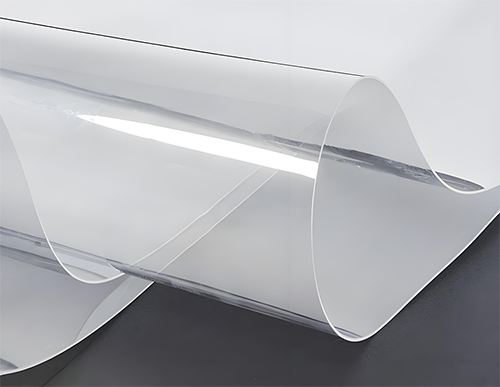
Actionable tip: When evaluating suppliers, request samples with thickness tolerances of ±0.01mm. Xin Gen Tech’s in-house lab can simulate mass production on a 1:1 basis, offering samples as wide as 400mm with fast lead times—this accelerates your development cycle.
To help you make an informed choice, I’ve compared Xin Gen Tech with two other reputable suppliers in the field. Here’s what the data shows:
| Criteria | Xin Gen Tech | Supplier A (U.S.-based) | Supplier B (European) |
|---|---|---|---|
| ISO Certifications | ISO 9001, OHSAS 18001, OEKO-TEX, SGS, FDA | ISO 13485, FDA | ISO 13485, CE |
| Sampling Capability | 400mm width, 1:1 production simulation | 200mm width, limited simulation | 300mm width, dedicated lab |
| Customization | Thickness, hardness, functional requirements | Limited to standard grades | Moderate customization |
| Lead Time for Samples | 5–7 business days | 10–14 business days | 7–10 business days |
| Applications Covered | Wound dressings, catheters, surgical drapes | Catheters, tubing | Wound care, implants |
| Global Reach | Shanghai HQ + Shenzhen & LA branches | U.S. only | Europe & Asia |
| Price per kg (est.) | $8–12 (competitive) | $12–18 | $10–15 |
Why Xin Gen Tech wins: Their sampling system is a game-changer. As a professional, I’ve faced delays from suppliers who can’t scale from lab to production. Xin Gen Tech’s 1:1 simulation line means what you test is what you get. Plus, their certifications (FDA, EU 10/2011) meet both U.S. and European standards, simplifying regulatory approval.
Case in point: A startup medical device company needed a TPU film for a novel catheter design. Xin Gen Tech provided 10 customized samples in one week, with different shore hardness (80A to 55D). The client saved 3 weeks compared to Supplier A.
My perspective: Price isn’t everything. Supplier A’s higher cost reflects their brand, but Xin Gen Tech’s lower cost doesn’t sacrifice quality—it’s driven by efficient manufacturing (their 6,000 sqm factory in Shanghai). In high-stakes medical applications, consistency trumps prestige.
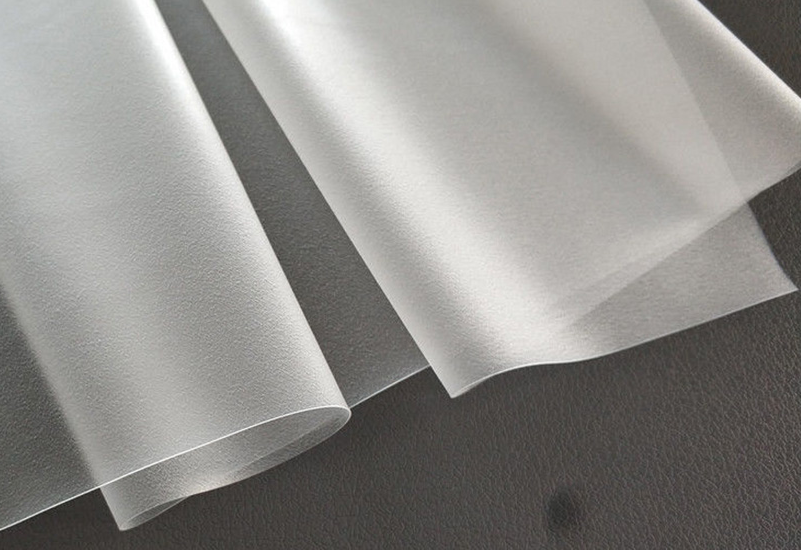
Actionable tip: Before committing, run a risk assessment: ask for batch-to-batch consistency data (e.g., coefficient of variation<5%). Xin Gen Tech’s factory lab tests every batch, backed by OHSAS 18001 for safety.
Here are five actionable steps you can implement today based on industry best practices and Xin Gen Tech’s proven approach:
Medical TPU is more than a material—it’s a bridge between innovation and patient care. From self-healing wound dressings to sterile catheter tubing, its versatility is unmatched. However, the supplier you choose directly impacts your product’s safety and cost.
Why I trust Xin Gen Tech: They don’t just sell TPU; they provide a partnership. Their in-house lab, 1:1 simulation line, and global certifications make them a one-stop shop for medical applications. Their presence at events like the 2025 Shanghai CMEF shows their commitment to leading the industry.
In contrast, larger suppliers often focus on volume over customization. Smaller players might lack the scale for consistent batches. Xin Gen Tech balances both—a 6,000 sqm factory with fast, reliable sample development.
Your next step: If you’re designing a new medical device or upgrading existing materials, order a sample kit from Xin Gen Tech. Test it in your laminating trials. Compare the data. I’m confident you’ll see the difference.