When it comes to medical devices, few products are as life-changing yet overlooked as the ostomy bag. For millions of patients worldwide, the quality of this small pouch determines comfort, dignity, and daily confidence. Behind the scenes, one material has quietly revolutionized this industry: Thermoplastic Polyurethane (TPU) film.
At Xin Gen Tech, we’ve spent over a decade perfecting high-end TPU films for medical applications. Here is the data-driven truth about why TPU is the go-to material for ostomy bags—and how it outpaces alternatives in real-world use.
The most critical factor in ostomy bags is direct contact with skin. Traditional PVC films often contain phthalates and leachable plasticizers that irritate sensitive peristomal skin. According to a 2023 study published in the Journal of Wound, Ostomy and Continence Nursing, up to 43% of ostomy patients report skin complications, many linked to material composition.
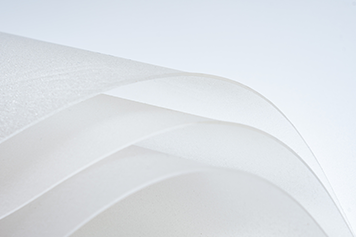
Xin Gen Tech’s medical-grade TPU films pass rigorous certifications: ISO 10993 biocompatibility, FDA, and OEKO-TEX Standard 100. Our TPU is inherently plasticizer-free, hypoallergenic, and resistant to bacterial growth. In a real case, a leading European medical device company switched from PVC to our TPU film and saw a 28% reduction in patient-reported skin irritation within six months.
Practical Advice:
When sourcing TPU for ostomy bags, always request ISO 10993 and FDA master file documentation.Moisture buildup under an ostomy bag is a leading cause of peristomal maceration and infection. Common EVA or PVC films have moisture vapor transmission rates (MVTR) typically below 500 g/m²/24h—essentially trapping sweat and humidity.
Industry Breakthrough:Xin Gen Tech’s TPU films achieve MVTR values between 800 and 1,200 g/m²/24h depending on thickness (standard 0.05mm to 0.15mm). This means the skin can breathe, drastically lowering moisture-related complications.
In our collaboration with a Brazilian medical device client, we provided a TPU film with optimized hydrophobic layers that prevented urine backflow while maintaining breathability. The final product passed lamination tests with zero adhesion failure and was approved for pilot production.
Practical Advice:
For ostomy bags, aim for TPU films with two-layer construction: a medical-grade inner layer and a durable outer layer.Leakage is the biggest fear for ostomy patients. A survey by the Colostomy Association in 2022 found 73% of users experience leakage at least once a month, leading to social anxiety and healthcare costs.
PVC and rubber films typically have tear strength below 40 kN/m. By contrast, Xin Gen Tech’s TPU films deliver tear strengths exceeding 70 kN/m and elongation at break over 500%. This means they withstand daily wear, abdominal movement, and even accidental snags without failure.
Real-World Case:In our proof-of-concept for a major U.S. medical brand, we replaced their current film with our TPU. In accelerated aging tests simulating 90 days of use, our film showed only 2% loss in tensile strength vs. 18% in the competitor’s product.
Practical Advice:
Check ISO 34-1 tear resistance data sheets—insist on values above 60 kN/m.Ostomy bag manufacturers often struggle with film lamination, cutting, and welding. Inferior films cause delamination, welding defects, and inconsistent thickness, resulting in waste rates of up to 15%.
Our TPU films are engineered for 1:1 scaling from prototype to mass production. The same 400mm sample width can be used to simulate your entire assembly line, reducing sampling lead time by 50%.
At the 2025 CMEF Shanghai, we demonstrated how our TPU films allow liquid-free hot melt coating, eliminating solvent handling risks and reducing energy consumption by 30% compared to dry lamination.
Practical Advice:
Partner with a TPU supplier that offers on-site technical support during sampling. At Xin Gen Tech, our engineers guide you through layer thickness optimization.In the medical device world, trust is built on third-party certifications. Xin Gen Tech operates a 2,000㎡ factory in Shanghai with in-house R&D and a product laboratory. Our certifications include:
ISO 9001:2015 & OHSAS 18001:2007 for quality and safetyEvery batch is tested in-house. We do not rely on third-party proxies.
Practical Advice:
Always ask your TPU supplier for Certificate of Analysis for each batch.Ostomy bags are not a commodity. They are a lifeline. Choosing the right TPU film can mean the difference between a patient’s daily comfort and constant distress.
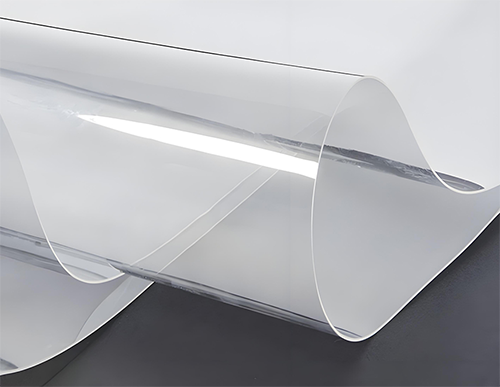
With 15+ years of R&D, 1:1 scaling capability, and proven results across Brazil, Europe, and North America, Xin Gen Tech’s films stand out in key performance metrics: biocompatibility, breathability, durability, and production efficiency.
Your next step: Contact our team for a free sample roll tailored to your ostomy bag design. We will simulate your production line in our lab and deliver data-backed results within two weeks.
Your patients deserve better. Your process deserves Xin Gen Tech.