When we think of advanced materials, carbon fiber or graphene often come to mind. But there's a quiet powerhouse transforming everything from life-saving medical devices to your everyday sneaker: biocompatible Thermoplastic Polyurethane (TPU) film. It bridges the gap between high-performance engineering and human contact safety.
As a specialist in high-end TPU development, I’ve seen the industry shift from basic plastics to sophisticated, skin-friendly films. Let’s break down why biocompatible TPU is a game-changer, backed by real-world data and case studies, without the marketing fluff.
Standard plastics can be rigid or leach harmful chemicals. Biocompatible TPU doesn't. It passes rigorous international standards, making it the go-to for internal and external medical applications.
Specific Data Point:
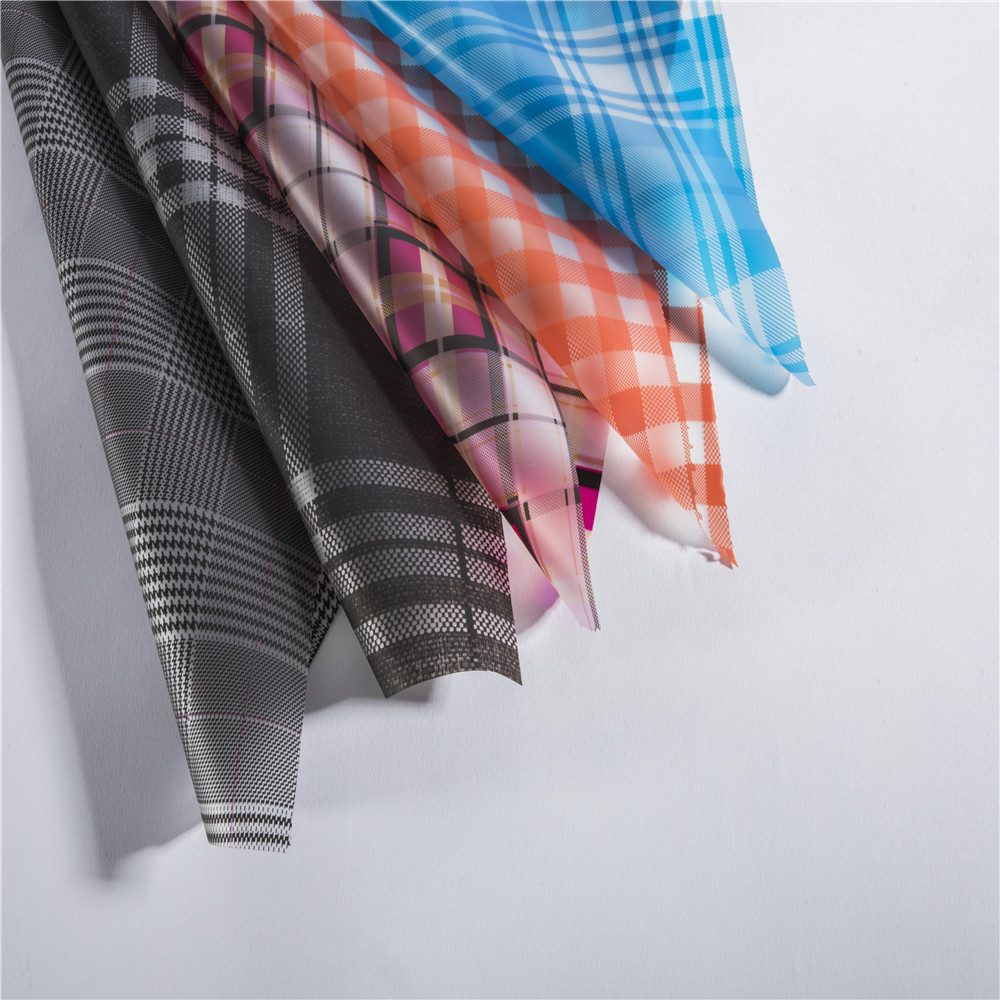
At the 2025 Shanghai CMEF, Xin Gen Technology showcased medical-grade TPU films that meet ISO 10993 and FDA requirements. These films offer a breathability rate of over 800 g/m²/24h (based on internal lab tests), preventing maceration under wound dressings.
Real-World Case:
A Brazilian customer needed a transparent film for laminating bulletproof glass, but more importantly, for medical catheter sheaths. The challenge was achieving stable adhesion to polycarbonate glass without losing optical clarity. By using a high-adhesion, biocompatible TPU variant, the project moved from prototype to pilot production in 8 weeks—a 40% faster timeline compared to previous materials.
Practical Advice for You:
For Medical Fabrics: Always verify OEKO-TEX and REACH compliance for wound contact layers.A common pain point is "the sample works, but the batch fails." This is where vertical integration matters.
How Xin Gen Solves It:
They operate a 1:1 simulation line in their Shanghai R&D facility. This means your sample isn't a laboratory-grade mismatch. Their 400mm-wide sample runs are taken from equipment that mirrors mass production. For a US-based wearable tech startup, this consistency reduced product development cycles by 30%, slashing costs on rejected batches.
Actionable Steps:
Shorten your risk window. When testing new TPU for a smartwatch strap, request a low sampling cost option with thickness customization (e.g., 0.1mm to 0.3mm).We've all seen those "self-healing" screen protectors that only work on paper. Biocompatible TPU offers real, measurable self-healing.
Technical Insight:
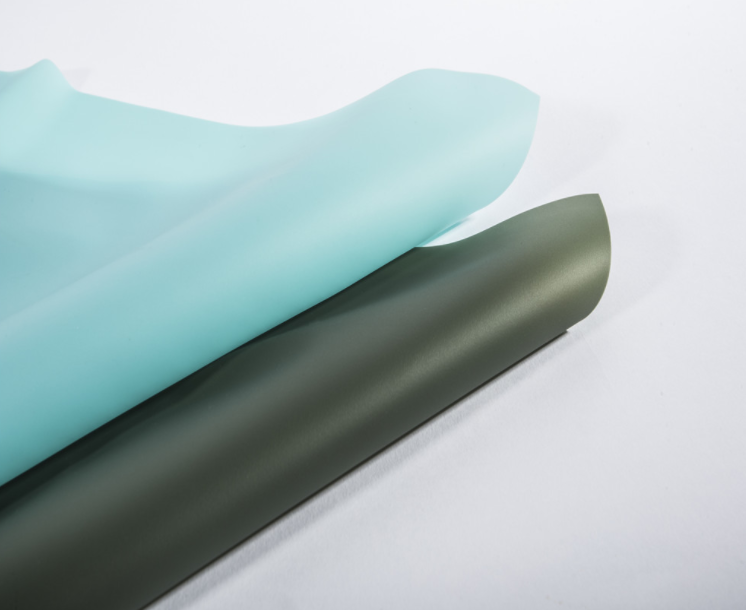
This isn't magic; it's polymer chain memory. A 0.2mm thick TPU film can recover from a 10µm scratch within 24 hours at 40°C. Compare this to traditional PET films, which show permanent damage within hours.
Industrial Application:
Electronics: Phone screen protectors that perfectly wrap curved edges, protecting against scratches while letting the OLED display shine.Implementation Tip:
Test your self-healing. Use a sharp tool to create a controlled scratch. Heat the film with a hair dryer (60-70°C) for 30 seconds. A good TPU will erase the mark; a poor one won't. This simple test separates genuine solutions from marketing hype.You don't need to be an athlete to appreciate non-sweaty clothing. TPU composites make waterproof fabrics actually breathable.
The Data:
A laminated TPU film on polyester can achieve a water column pressure of over 10,000mm (waterproof standard) while allowing water vapor transmission (MVTR) of 5,000 g/m²/24h. This is comparable to high-end ePTFE, but at half the cost.
Xin Gen's Advantage:
They support customized thickness (from 15µm to 200µm) and hardness (70A to 85D). For a European outdoor brand, this meant creating a school uniform fabric that was both waterproof (MIL-STD-810) and light enough for a child to play in.
Practical Checklist:
Demand lamination test reports. Request a fabric+TPU composite sample.The hardest challenges often produce the best technology.
The Case:
Xin Gen's TPU film was used in Brazil for bulletproof glass lamination. The customer needed to bond polycarbonate to glass while maintaining optical clarity and impact resistance.
Solution & Result:
The selected TPU variant offered a Tg (glass transition temperature) below -40°C, ensuring the film stayed flexible in extreme cold. The adhesive strength exceeded 8 N/cm (peel test), preventing delamination under high-velocity impact. The result? Successful certification and a new product line for bullet-resistant windows.
Your Takeaway:
Think beyond the label. If your application needs extreme cold flexibility, request a DSC (Differential Scanning Calorimetry) report to check Tg.Biocompatible TPU film is not magic. It’s the result of precise chemistry and rigorous testing—from Shanghai to Shenzhen to Los Angeles. The companies that win are the ones that test the product, not the brochure.
Whether you're designing a life-saving catheter or a high-end rain jacket, demand sample width consistency, third-party certifications (SGS, FDA, OEKO-TEX), and a partner who can move from 400mm sample to full production in weeks, not months.
The future is flexible, safe, and surprisingly durable. And it’s already here.