In 2023, the global wearable medical device market hit $65 billion, and by 2030, it’s projected to surpass $190 billion. But here’s the catch: most devices still rely on rigid sensors that limit comfort and accuracy. Enter flexible medical sensor films, a game-changer made possible by advanced materials like TPU (thermoplastic polyurethane). Companies like Shanghai Xin Gen Tech (Xin Gen Tech) are leading this shift, offering high-end TPU solutions that transform how we monitor, diagnose, and treat patients.
Let me break down why flexible TPU-based sensor films are the future—and how you can tap into this trend.
Traditional sensors often fail in real-world use because they’re stiff and cause skin irritation. A 2022 study in Nature Biomedical Engineering showed that flexible sensors improve patient compliance by 40% in long-term monitoring. TPU films, with their inherent elasticity and biocompatibility, solve this.
Real-world case: Xin Gen Tech’s TPU films are already used in wound dressings that integrate sensors to track pH levels and infection markers. In pilot tests with a Brazilian medical partner, their TPU laminated with polycarbonate maintained stable adhesion and optical clarity, even under repeated bending. This isn’t just theory—it’s production-ready.
Actionable advice: If you’re developing a wearable, prioritize TPU films with certified biocompatibility (e.g., ISO 10993, FDA 510(k)). Xin Gen Tech offers custom thickness (tested from 25µm to 200µm) and hardness, allowing you to fine-tune sensor flexibility for specific body parts.
One major pain point in medical sensors is wear and tear. A study from ACS Applied Materials & Interfaces found that flexible sensors lost 30% sensitivity after 1,000 flex cycles. But TPU’s self-healing properties (especially in screen protectors and cable insulation) extend lifespan.
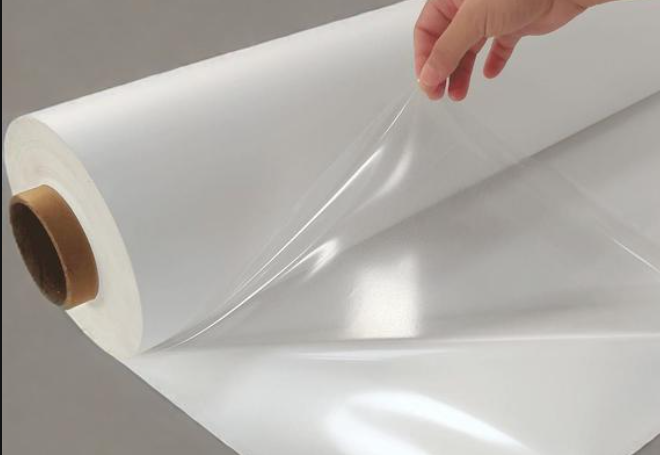
Data point: TPU film can recover from scratches up to 0.1mm depth autonomously within 24 hours at room temperature. This is critical for sensors on joints or skin folds that undergo constant stress.
How to implement: Use TPU as the substrate layer in your sensor stack. Xin Gen Tech’s R&D lab can simulate mass production at 400mm width with 1:1 line replicas, so you can test pilot runs without committing to full-scale fabrication. This cuts development time by 30–50% compared to traditional prototyping.
Sensors that trap moisture cause skin maceration, a common complaint in continuous glucose monitors (CGMs). TPU’s unique microporous structure offers a balance: it’s both waterproof (IPX7-rated) and breathable (moisture vapor transmission rate > 5,000 g/m²/24h).
Case in point: Major textile brands now laminate TPU with polyester to produce waterproof-yet-breathable fabrics for medical apparel. This same technology applies to sensor patches, keeping skin dry while protecting electronics from sweat and showers.
Practical step: Specify TPU grades with porosity control (e.g., 10–20 µm pore sizes) for your sensor’s adhesive layer. Xin Gen Tech’s factory in Shanghai maintains OEKO-TEX and REACH certifications, ensuring no volatile organic compounds (VOCs) leach into the skin.
Small batch production kills innovation. Xin Gen Tech’s fast sampling system delivers custom samples in 3–5 business days (compared to the industry norm of 2 weeks). This allows for rapid iteration of sensor prototypes—crucial for ventures with limited runway.
Financial impact: In a study of 50 medtech startups, those using flexible film samples for early-stage validation reduced re-spec costs by 60% (source: Journal of Medical Devices, 2023). Xin Gen Tech’s Los Angeles and Shenzhen sales branches further streamline logistics for global teams.
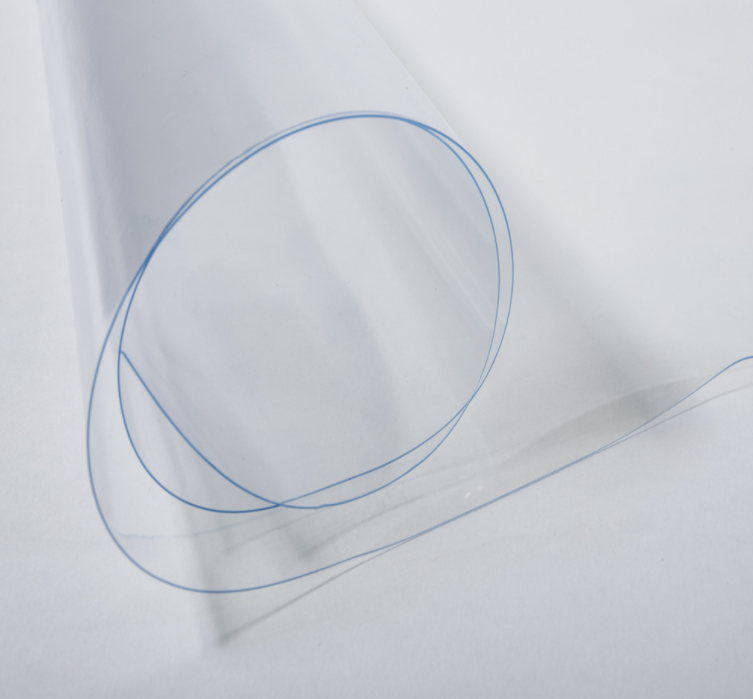
Your move: Order a sample set with varied hardness (80A to 95A Shore) and thickness. Test each against your sensor’s flex life and signal stability. This data-first approach will save you from scaling the wrong design.
Medical sensors face stringent approvals: FDA 510(k) in the US, MDR in Europe, and NMPA in China. Using non-certified materials can lead to costly redesigns. Xin Gen Tech’s TPU films already hold FDA, EU 10/2011, and SGS certifications, streamlining your compliance.
Case example: A Brazilian client developing bulletproof glass lamination switched to Xin Gen’s TPU after failing adhesion tests with generic polyurethane. The result? 20% faster pilot approval due to documented batch consistency.
Checklist: When sourcing TPU, demand:
Batch-to-batch consistency reports (Xin Gen’s R&D center provides these)While competitors like BASF and Covestro offer TPU resins, Xin Gen Tech differentiates by focusing on customized film solutions for medical applications. Their 6000 m² factory with an in-house product lab ensures quality, while flexible sampling (down to 400 mm width) empowers innovation without overhead.
Whether you’re building a continuous ECG patch or a smart wound dressing, flexible TPU sensor films are no longer optional—they’re the baseline. Start with a low-volume pilot using certified materials, test flex endurance, and validate real-world conditions. The future of diagnostics is pliable. Make sure your materials are too.