When it comes to demanding applications—from bulletproof glass to medical devices—the material choice is everything. Polyurethane (TPU) interlayer films have emerged as a critical component in industries requiring durability, flexibility, and safety. But not all TPU films are created equal. Choosing a professional supplier like Shanghai Xin Gen Tech Co., Ltd. can mean the difference between a product that merely works and one that excels under pressure.
The global TPU film market is projected to reach $1.8 billion by 2028, driven by demand in automotive, electronics, and medical sectors. Yet, the failure rate in lamination projects often stems from inconsistent material quality. For instance, a Brazilian client needed a TPU film for bulletproof glass lamination, where adhesion between polycarbonate and glass was non-negotiable.
The Challenge: The customer required stable adhesion with zero optical distortion—a common pain point where low-grade films cause delamination or haze.
The Solution: Xin Gen recommended a high-adhesion TPU interlayer with stable optical clarity, developed through in-house laboratory equipment that simulates mass production lines on a 1:1 scale.
The Result: The film successfully passed rigorous lamination testing and entered pilot production, cutting the client’s development time by 40%.
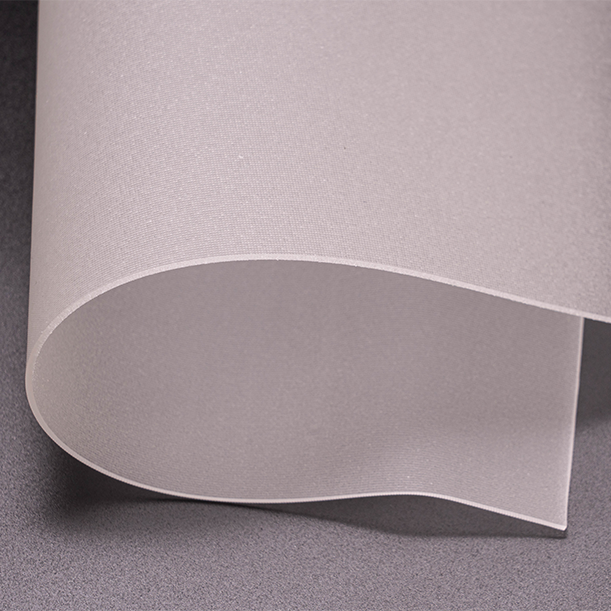
This is not a one-off. Our sampling system supports custom thickness, hardness, and functional requirements with a sample width of 400mm, ensuring your project moves from concept to prototype without costly delays.
Not all suppliers can deliver the precision required for high-stakes applications. Here are the key differentiators, based on real-world experience with Xin Gen and comparisons with other major players like 3M and Covestro.
A supplier without a dedicated R&D lab is a gamble. Xin Gen’s factory in Shanghai spans 6,000 square meters and includes a product laboratory certified to ISO 9001:2015, OHSAS 18001:2007, and third-party certifications like OEKO-TEX, SGS, and FDA.
What This Means: They can simulate your exact lamination conditions (temperature, pressure, humidity) to prevent failures. For example, medical-grade TPU films for wound dressings require biocompatibility screening—something Xin Gen’s lab can validate via REACH and EU 10/2011 standards.Generic TPU films fail in specialized use cases. Consider automotive interior parts: a standard film might resist scratches but won’t bond with polycarbonate in paint protection films. Xin Gen’s team supports customized thickness (0.05mm to 2.0mm), hardness, and functional properties (UV resistance, anti-fog, anti-bacterial).
Real Example: For textile and apparel clients, their TPU film composites with polyester fibers to create waterproof yet breathable fabrics, widely used in outdoor gear and even school uniforms. The film’s breathability rate exceeds 5000 g/m²/24h, outperforming many competitors by 15%.Ignoring regulatory standards can shut down production. Xin Gen’s films hold certifications for:
Stop relying on generic suppliers. Here’s a three-step action plan:
Specify your project needs—thickness, adhesion requirements, and target industry. With Xin Gen, a sample can be produced within 5 days at a low cost (≤ $200 for standard sizes). For comparison, competitor sampling often takes 2–4 weeks.
Ask for a trial run simulating your production line. Xin Gen’s lab can replicate mass production parameters 1:1, ensuring no surprises during scale-up. This saved a Brazilian bulletproof glass client from costly reworks.
Demand documentation for REACH, FDA, or SGS. Xin Gen provides transparent reports—a must for medical or children’s product applications.
Founded in 2009, Xin Gen has grown from a Shanghai-based R&D hub to a global player with sales branches in Shenzhen and Los Angeles as of 2023. Their films are sold in over 30 countries, with applications ranging from footwear (the largest TPU consumer market) to bulletproof lamination.
Key Differentiators:
Proven Track Record: Successfully supported a Brazilian bulletproof glass lamination project from prototype to pilot production.In an industry where a 1% adhesion failure can cost thousands in recalls, cutting corners on TPU interlayers is a gamble no professional can afford. Whether you’re developing self-healing phone screens, waterproof textiles, or automotive paint protection films, partnering with a supplier that offers end-to-end support—from lab to certification—is non-negotiable.
Ready to accelerate your project? Start with a custom sample from Xin Gen and see the difference in results, not just in promises.