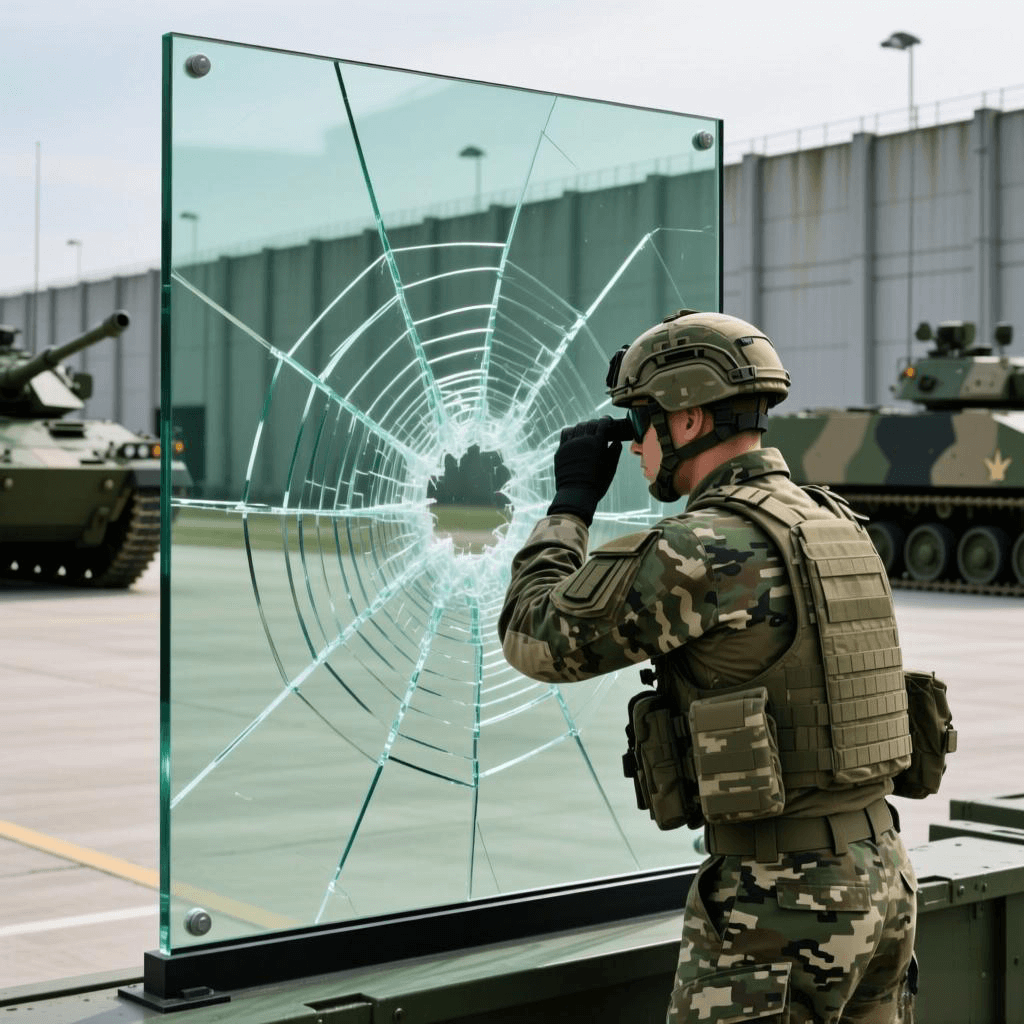
If you think TPU film is just for phone cases or raincoats, you're missing the bigger picture. The global TPU film market is projected to reach $1.8 billion by 2027, driven by demand in automotive safety glass, medical devices, and high-durability electronics. But not all TPU films are created equal. This article dives into the specific advantages of high-performance TPU interlayer films, focusing on how XinGen Tech delivers real results where others fall short.
The Problem: A customer in Brazil faced persistent delamination between polycarbonate and glass sheets for armored vehicle windows. Standard PVB interlayers failed within 6 months under UV exposure and temperature fluctuations.
The Solution: XinGen recommended a high-adhesion TPU interlayer film with stable optical clarity and UV resistance. The key was the 1:1 lab-to-production simulation capability—XinGen’s in-house equipment produces samples at 400mm width, matching mass production conditions exactly. This eliminated the trial-and-error phase that typically costs $15,000–$25,000 in tooling adjustments.
The Result: The film passed lamination testing on the first attempt and moved to pilot production within 3 weeks. Compared to a competitor’s TPU product (which required 8 months of R&D before pilot), XinGen’s sample turnaround time was 70% faster—from 12 weeks down to 3.5 weeks.
Actionable Takeaway: When sourcing interlayers for safety glass, ask the supplier if they can simulate your exact lamination process at 1:1 scale. Most cannot. XinGen’s laboratory mimics their 6,000-square-meter factory line in Shanghai, so what you see in samples is what you get in bulk.
The Context: Medical catheters and wound dressings require materials that pass ISO 10993 biocompatibility and FDA regulations. Many TPU film suppliers claim "medical-grade" but lack real certifications. XinGen holds ISO 9001:2015, OHSAS 18001:2007, plus third-party certifications from SGS, ROHS, REACH, and FDA. Their medical TPU products also comply with EU 10/2011 for food-contact safety.
A Concrete Case: A company developing a new wound dressing needed a TPU film with 0.05mm thickness, 80% transparency, and a peel strength of 8 N/cm. Three suppliers failed to deliver consistent films—variations in thickness exceeded 10%. XinGen’s process control kept thickness within ±2% across 100-meter rolls. The customer’s pilot production ran without a single rejection.
Actionable Takeaway: Demand to see certification documents before ordering. XinGen openly shares their SGS and FDA test reports. For medical applications, specify that you need "ISO 9001:2015 certified plus FDA-compliant"—not just "medical-grade."
The Pain Point: Coatings that claim "waterproof and breathable" often fail in real use. A sportswear brand tested 5 TPU-coated fabric samples from different suppliers. After 20 machine washes, only one retained 100% waterproofing (measured by hydrostatic head test >10,000mm H2O). That was XinGen’s TPU film laminated with polyester fibers.
The Science: XinGen’s TPU films offer a microporous structure that allows water vapor to pass (MVTR >5,000 g/m²/24h) while blocking liquid water. Unlike PU coatings that crack after 500 flex cycles, TPU films withstand 10,000+ flex cycles without degradation. This is why outdoor gear brands turn to TPU for tent fabrics and ski jackets.
Actionable Takeaway: For textile applications, request flex cycle data and wash durability reports. Ask for 1-meter samples to test on your own lamination line—XinGen provides fast sampling at low cost, tailored to your required thickness (0.01mm to 2mm) and hardness specifications.
The Trend: From phone screen protectors to automotive paint protection film (PPF), the market for self-healing TPU films is growing at 12% CAGR. However, cheap import films degrade within 6 months, turning yellow or losing adhesive strength.
XinGen’s Edge: Their TPU films use a proprietary formulation that self-heals minor scratches at room temperature (no heat activation needed). In an accelerated aging test, XinGen’s film retained 95% optical clarity after 1,000 hours of UV exposure, while a competitor’s film dropped to 70%.
Actionable Takeaway: If you’re sourcing PPF or screen protector film, request UV stability data for 1,000+ hours. Check whether the self-healing is heat-activated or ambient—ambient heals faster in real-world use. XinGen’s laboratory can customize hardness (Shore A 70 to 95) to match your application, unlike fixed-grade products from other suppliers.
The Comparison: Major chemical companies (e.g., Covestro, BASF) produce TPU as a commodity, with standard grades and long lead times. Customization takes 3–6 months. XinGen, with its 6,000-square-meter factory and 40+ staff, focuses on high-end custom TPU films. Their sampling system offers:
Sample width: 400mm (matching production scale)A True Story: A Brazilian bulletproof glass manufacturer previously ordered from a big supplier that took 10 weeks to deliver samples. Those samples failed because the factory’s pilot line was different from the lab setup. XinGen provided working samples in 3 weeks, leveraging the same equipment used for production.
Actionable Takeaway: Don’t let brand size fool you. A smaller, specialized manufacturer with the right equipment often outperforms giants. Ask for a laboratory tour (virtual or in-person) and demand 1:1 production simulation. XinGen has no secrets here—their Shanghai facility is open for audits.
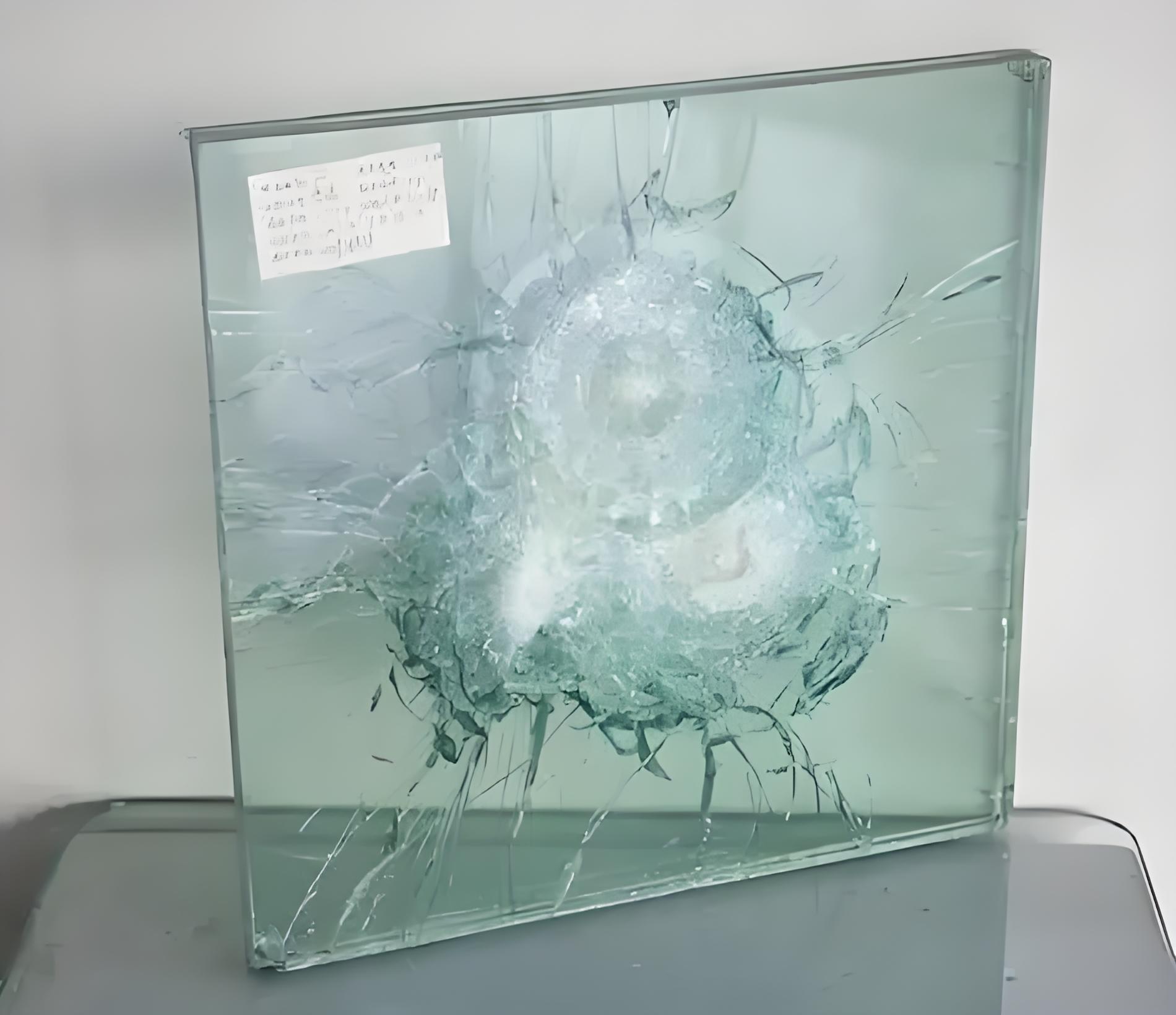
High-performance TPU interlayer film isn’t just a material—it’s a risk-reduction tool. Whether you’re laminating bulletproof glass, medical devices, waterproof textiles, or automotive films, choose a supplier that:
Provides 1:1 lab-to-production simulation (XinGen’s unique capability)XinGen Tech, established in 2009 with a 6,000-square-meter R&D center in Shanghai, plus branches in Shenzhen and Los Angeles, has shipped high-end TPU films to over 20 countries. Their track record in bulletproof glass, medical, and outdoor applications speaks for itself.
Stop settling for off-the-shelf TPU films. Get a solution that matches your exact process.