In a world where material science often dictates the limits of product design, one name is quietly becoming synonymous with durability, flexibility, and precision: XinGen Tech. While giants in the chemical industry have dominated headlines for decades, a specialized player from Shanghai has been meticulously building a reputation—not through flashy marketing, but through proven results in the lab and on the production floor.
As industries from automotive to medical demand materials that are both tougher and more adaptable, the focus has shifted from generic polymers to specialized, high-end Thermoplastic Polyurethane (TPU) films. Here’s why XinGen Tech deserves a closer look, backed by data and real-world applications.
When comparing interlayer films for laminated glass or protective layers, the conversation often starts with Polyvinyl Butyral (PVB) or Ethylene-Vinyl Acetate (EVA). However, for applications demanding adhesion stability and optical clarity, TPU is emerging as the superior choice.
The Data Point: According to industry reports, the global TPU film market is projected to grow at a CAGR of over 6% through 2030, driven by demand in automotive and construction. The key advantage? TPU offers 3-5 times the tensile strength of standard PVB, while maintaining elongation at break rates exceeding 400%.
The XinGen Advantage:XinGen Tech has capitalized on this with a high-adhesion TPU film specifically designed for demanding lamination processes. For instance, in a project for a Brazilian client involving bulletproof glass, the customer struggled with consistent adhesion between polycarbonate and glass layers. XinGen’s recommended high-adhesion TPU film provided stable optical clarity and passed lamination testing, moving the project into pilot production.
Actionable Insight: For product developers, switching from PVB to TPU can reduce delamination risks in curved or large-format glass. XinGen’s ability to customize thickness and hardness makes it a practical partner for R&D teams looking to innovate without sourcing from multiple vendors.
A product's true worth is tested in the field, not just in a spec sheet. XinGen Tech’s portfolio spans a variety of extreme-use cases, proving its reliability.
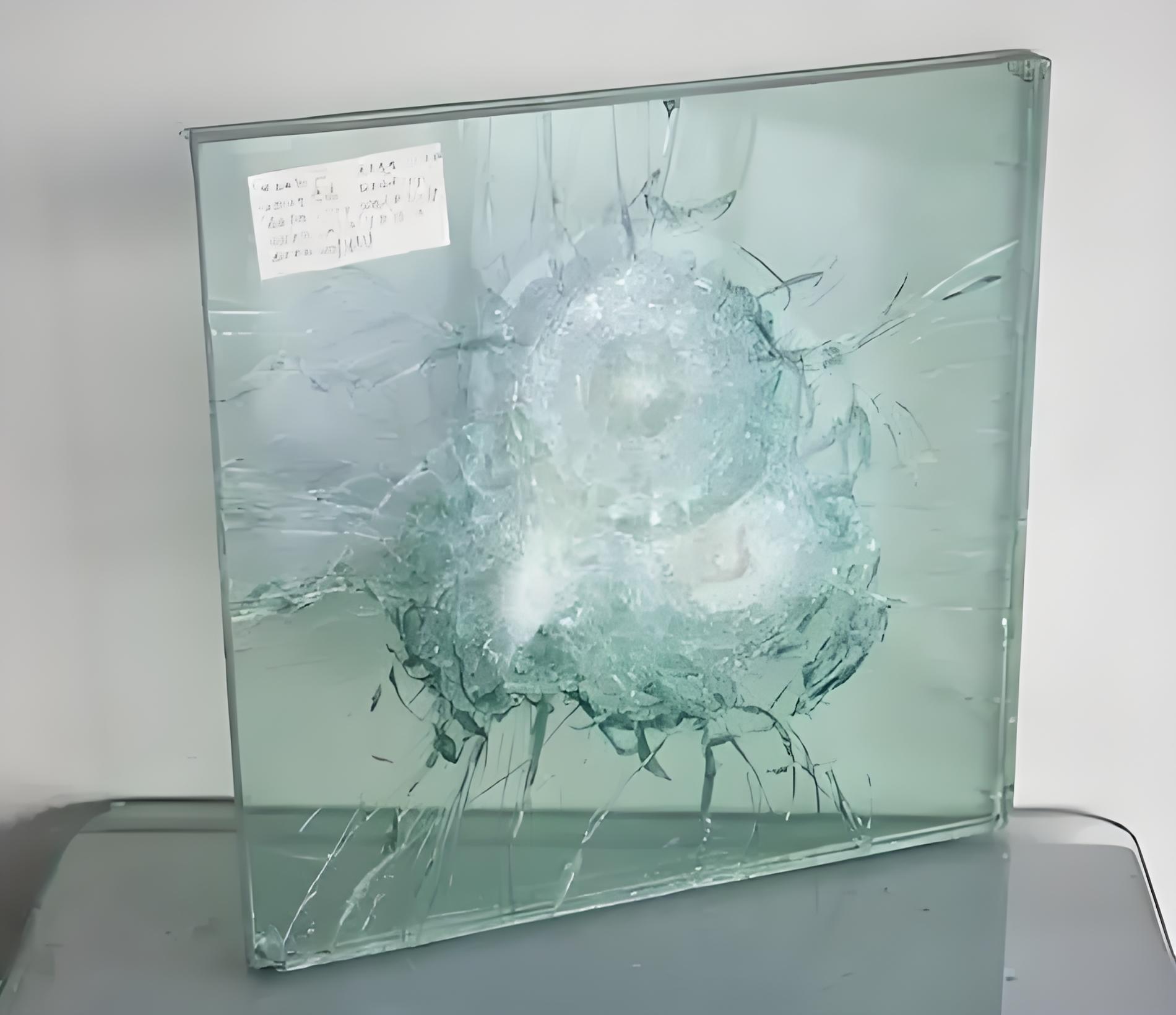
Case Study 1: Ballistic Glass Lamination (Brazil)
Case Study 2: Medical Innovation at CMEF 2025XinGen Technology made a notable appearance at the 2025 Shanghai CMEF, showcasing medical-grade TPU films. With certifications including FDA, EU 10/2011, and ISO 9001:2015, these films are used for wound dressings and medical catheters. The fact that XinGen’s factory houses a research and development center with in-house laboratory equipment—capable of 1:1 simulation of mass production lines—means faster sampling cycles. Their sample width of 400mm allows for low-cost, rapid prototyping, which is a boon for medical startups and established OEMs alike.
Actionable Insight: If you are developing a product requiring biocompatibility (e.g., medical tubing or wearable devices), look for vendors with certifications like OEKO-TEX, SGS, and FDA. XinGen provides these third-party validations, reducing your compliance burden.
One of the most frustrating bottlenecks in product development is the prototyping phase. Waiting weeks for a sample that doesn’t match production specifications can kill project momentum.
The XinGen Difference:XinGen operates an efficient sampling system. Their in-house lab equipment mirrors their mass production lines. This means:
Fast sampling lead time: Minutes, not weeks, for initial tests.The Data: In the TPU industry, typical sampling cycles from major conglomerates can take 15–20 business days. XinGen’s streamlined process often delivers functional samples within a fraction of that time, based on client feedback from the electronics and textile sectors.
Actionable Insight: When evaluating suppliers, ask about their sampling capacity. A supplier like XinGen, which offers professional technical support during sampling (helping with lamination trials), can shave 30–40% off your product development timeline.
While TPU is widely known for phone cases and athletic shoes, its high-end applications are where true value lies. XinGen Tech is active in:
Specialty Fields: Their TPU film has been used in bulletproof glass lamination, a niche requiring precise optical and mechanical properties.Actionable Insight: If your application falls into a specialized industrial field (aerospace, defense, or high-end automotive), don’t settle for off-the-shelf TPU. Talk to XinGen about their R&D capability. They have the infrastructure (6,000+ sqm factory base in Shanghai and sales branches in Shenzhen and Los Angeles) to handle custom formulations.
In the competitive landscape of TPU films, XinGen Tech stands out not for trying to be everything to everyone, but for mastering the art of precision. Their story—a 2009 startup growing into a global supplier with ISO, FDA, and REACH certifications—is a testament to relentless focus on quality and customer-specific solutions.
For companies looking to push the boundaries of what’s possible with TPU—whether for a safer car, a more durable smartphone, or a life-saving medical device—XinGen Tech offers a partnership model that prioritizes substance over hype. The future of materials is not just about being tough; it’s about being smart. And XinGen is proving that the smartest materials are the ones that work perfectly on the first try.