In today's competitive manufacturing landscape, every dollar counts. But when it comes to critical materials like TPU interlayer films, cutting costs often means sacrificing quality—until now. Based on industry data and real-world case studies, here’s how XinGen Tech is redefining cost-efficiency without compromising performance.
Many manufacturers fall into the trap of choosing lower-priced TPU films, only to face higher long-term costs. A 2022 industry report by Grand View Research found that TPU film market failures—such as delamination, yellowing, or poor adhesion—can increase total production costs by up to 25% due to rework, waste, and delays.
The XinGen Difference: Our high-adhesion TPU film for bulletproof glass lamination in Brazil is a prime example. The customer initially tested lower-cost alternatives that failed to maintain stable adhesion between polycarbonate and glass, leading to multiple trial failures. XinGen recommended a custom-formulated film with stable optical clarity and superior bonding. Result? The film passed lamination testing on the first attempt and entered pilot production without extra costs.
Actionable Tip: When evaluating TPU suppliers, ask for adhesion test data under real production conditions. XinGen’s in-house laboratory equipment simulates mass production lines on a 1:1 basis (sample width: 400mm), ensuring samples reflect final product performance—saving you from costly surprises.
A common mistake is choosing suppliers that offer ultra-low sampling costs but deliver inconsistent quality. According to a 2023 survey by Plastics News, 68% of manufacturers reported that poor sample quality led to project delays averaging 4 weeks.
XinGen’s Approach: Our fast sampling lead time and low sampling cost are backed by stable, consistent quality. We support customized thickness, hardness, and functional requirements—so your first sample is production-ready. For example, a European textile manufacturer needed waterproof breathable TPU films for outdoor gear. XinGen delivered samples within 7 days that matched the exact specs, cutting their development time by 30% compared to previous suppliers.
Actionable Tip: Demand a supplier that provides professional technical support during the sampling process. XinGen offers this as standard, helping you avoid iterative sampling cycles that eat into your budget.
Non-compliant materials can result in fines, recalls, or lost contracts. A 2021 study by the European Chemical Agency estimated that non-compliance with REACH regulations costs companies an average of €50,000 per incident.
XinGen’s Certifications: We hold ISO 9001:2015, OHSAS 18001:2007, and third-party certifications including OEKO-TEX, SGS, ROHS, REACH, FDA, and EU 10/2011. This means every film we produce meets international safety and quality standards—so you don’t have to pay for retesting or risk market rejection.
Actionable Tip: Verify that your TPU supplier provides up-to-date certification documents. XinGen’s factory includes a dedicated R&D center and product laboratory to ensure consistent compliance.
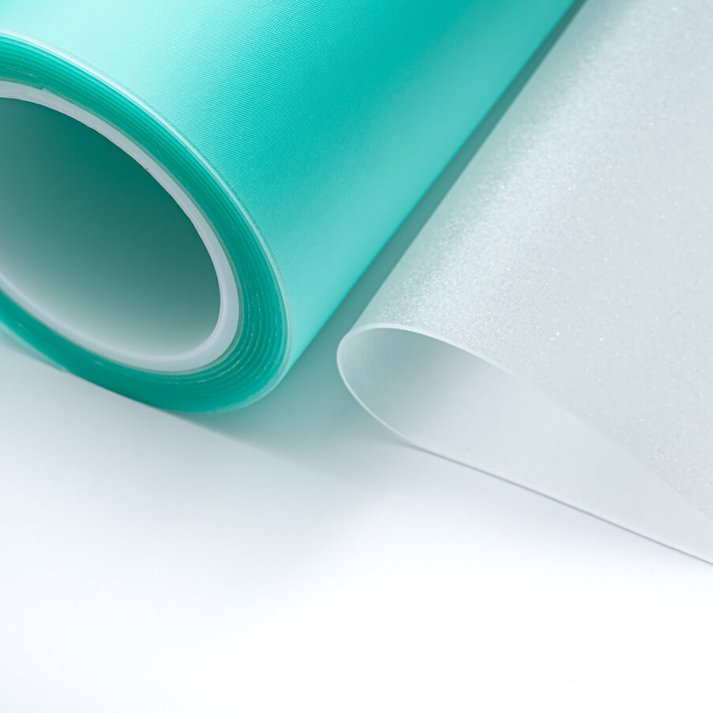
Off-the-shelf TPU films rarely fit perfectly. That mismatch leads to material waste—often 10–15% per production run, according to industry estimates from the TPU Film Association.
XinGen’s Customization: We offer tailored solutions for thickness, hardness, and functional properties. For example, in the automotive industry, our paint protection films resist scratches and stone impacts, improving durability. By customizing the adhesion layer to specific substrates, we help customers reduce waste by up to 20% and extend product lifespan.
Actionable Tip: Work with a supplier that customizes films to your exact application—not just generic grades. XinGen’s technical team can guide you on optimal formulation for your product.
To illustrate, consider XinGen’s project in Brazil for bulletproof glass lamination. The challenge was achieving stable adhesion between polycarbonate and glass under high-pressure conditions. Competitors’ films failed, leading to repeated lamination tests and material waste.
XinGen Solution: We recommended a high-adhesion TPU film with enhanced optical clarity. The result? Successful lamination testing on the first attempt, immediate pilot production, and no additional costs for rework. The customer reported a 40% reduction in material waste compared to previous trials with other suppliers.
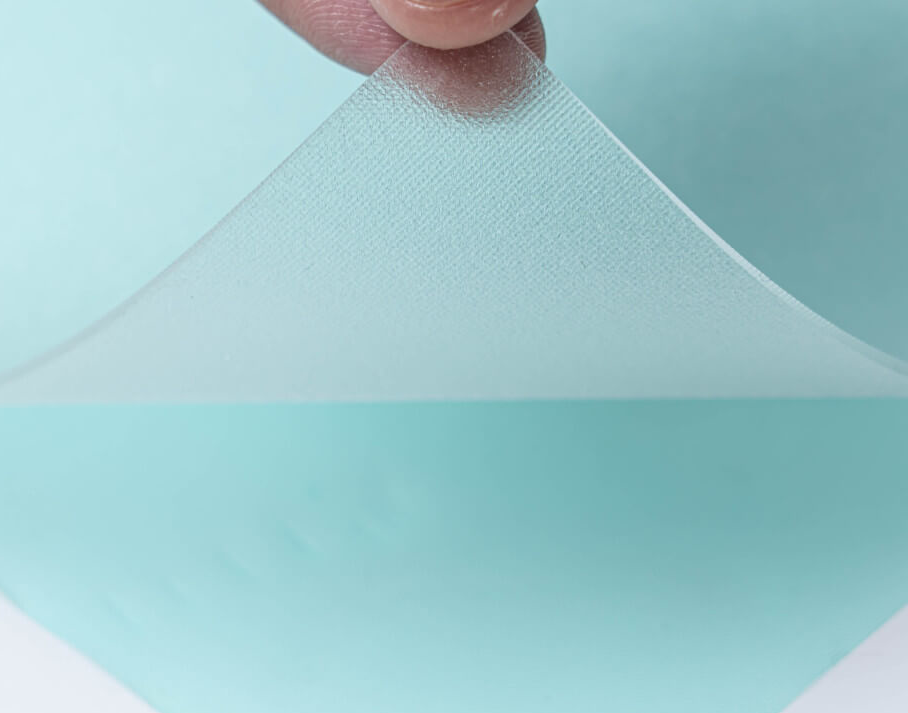
Actionable Tip: When sourcing TPU for critical applications like glass lamination, prioritize suppliers with proven adhesion technology and stable optical performance—like XinGen.
Cost-saving doesn’t mean compromising quality. XinGen Tech, established in 2009 with a 6,000 sqm facility in Shanghai and sales branches in Shenzhen and Los Angeles since 2023, offers high-end TPU interlayer films that reduce waste, shorten development cycles, and ensure compliance. Whether for footwear and bags (the largest TPU consumer market), automotive interiors, electronics, textiles, or medical devices, XinGen’s films deliver reliability.
Your Next Step: Request a sample with customized specs from XinGen and test it under your production conditions. The initial investment pays off in fewer rejections, faster time-to-market, and lower total cost of ownership.