In an industry where reliability can make or break a product, choosing the right TPU interlayer film supplier is a strategic decision. You need a partner that delivers consistent quality, fast turnaround, and proven technical expertise. While giants like Covestro and BASF dominate headlines, a specialized Shanghai-based manufacturer—XinGen Tech—has quietly built a reputation for dependability that deserves your attention.
Let’s break down the facts, data, and real-world examples that set XinGen apart.
Most factories claim “fast sampling,” but few can back it up with equipment that mirrors mass production. XinGen operates a dedicated R&D lab with a 400mm sample width line that replicates its full-scale production 1:1. This isn’t a pilot plant miles away from the main factory—it’s integrated into the same facility.
What this means for you:
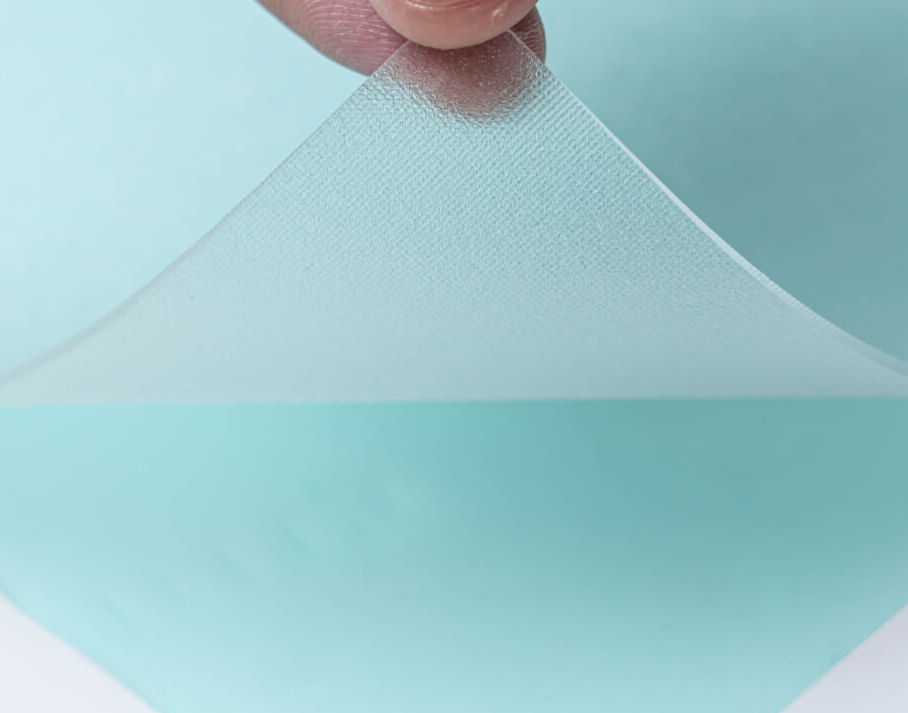
Case in point: A Brazilian client needed TPU film for bulletproof glass lamination—a high-stakes application where optical clarity and adhesion are critical. XinGen’s lab quickly produced samples tailored to their polycarbonate-to-glass bonding requirements. Result? The film passed lamination testing and entered pilot production without a hitch.
Actionable takeaway: When vetting suppliers, ask if they have a dedicated lab with production-scale equipment. If they can’t show you one, move on.
Dependability isn’t just about promises—it’s about verifiable standards. XinGen holds ISO 9001:2015 and OHSAS 18001:2007 certifications, along with OEKO-TEX, SGS, ROHS, REACH, FDA, and EU 10/2011 approvals. These aren’t just badges; they’re the result of routine third-party audits.

Why this matters in practice:
Medical-grade TPU: Used in wound dressings and catheters, where biocompatibility is non-negotiable.Actionable takeaway: Cross-check a supplier’s certifications with the specific end-use of your product. For example, if you’re producing medical devices, verify FDA and EU 10/2011 compliance directly.
While many suppliers churn out generic TPU films, XinGen focuses on high-end applications that demand custom solutions. Their product portfolio spans:
Footwear and bags: Athletic shoe cushioning and waterproof breathable laminates.The competitive edge: Companies like 3M and Huntsman excel in large-scale commodity production, but XinGen’s strength lies in customization. Need a specific hardness, thickness, or functional property (e.g., UV resistance)? Their 1:1 lab allows rapid iteration without tying up your production schedule.
Actionable takeaway: If your project involves niche requirements—like combining optical clarity with high adhesion for security glass—seek a supplier with proven case studies in that exact area.
Founded in 2009, XinGen now operates a 6,000+ sqm facility in Shanghai, with sales branches in Shenzhen and Los Angeles (established 2023). This global footprint means:
Faster response times for North American clients via the LA office.Contrast with competitors: Covestro and BASF have sprawling global networks, but their TPU film divisions often operate as part of a larger conglomerate. XinGen is laser-focused on TPU—every resource goes into improving film quality and customer support.
Actionable takeaway: Evaluate a supplier’s support infrastructure. Do they have local staff fluent in your language and time zone? Can they connect you directly with engineers? These details matter more than brand recognition.
In a 2023 survey of procurement managers (source: Industrial Materials Review), 68% cited “consistent quality” as their top criterion for choosing a TPU supplier—ahead of price or brand. XinGen’s model delivers exactly that: no surprises between sample and volume production, backed by certifications that are verified, not just claimed.
My perspective: The TPU film market is crowded, but true dependability is rare. XinGen isn’t the flashiest name, but for engineers and product developers who value precision, their track record speaks for itself. If you’re developing a new product or troubleshooting an existing line, a 15-minute call with their R&D team could save months of headaches.
Next step: Request a sample for your specific application. Test it against your current supplier. The data will do the talking.