When it comes to laminated glass, the interlayer film is the unsung hero. It holds the glass together, ensures safety, and defines optical clarity. For years, manufacturers have struggled with films that are difficult to process, inconsistent in quality, or simply don't bond well with polycarbonate and glass. This is where XinGen’s TPU interlayer film steps in—a material designed for real-world production demands.
But don’t just take our word for it. Let’s break down the data, use cases, and practical steps to see why this TPU film is a game-changer for engineers and project managers.
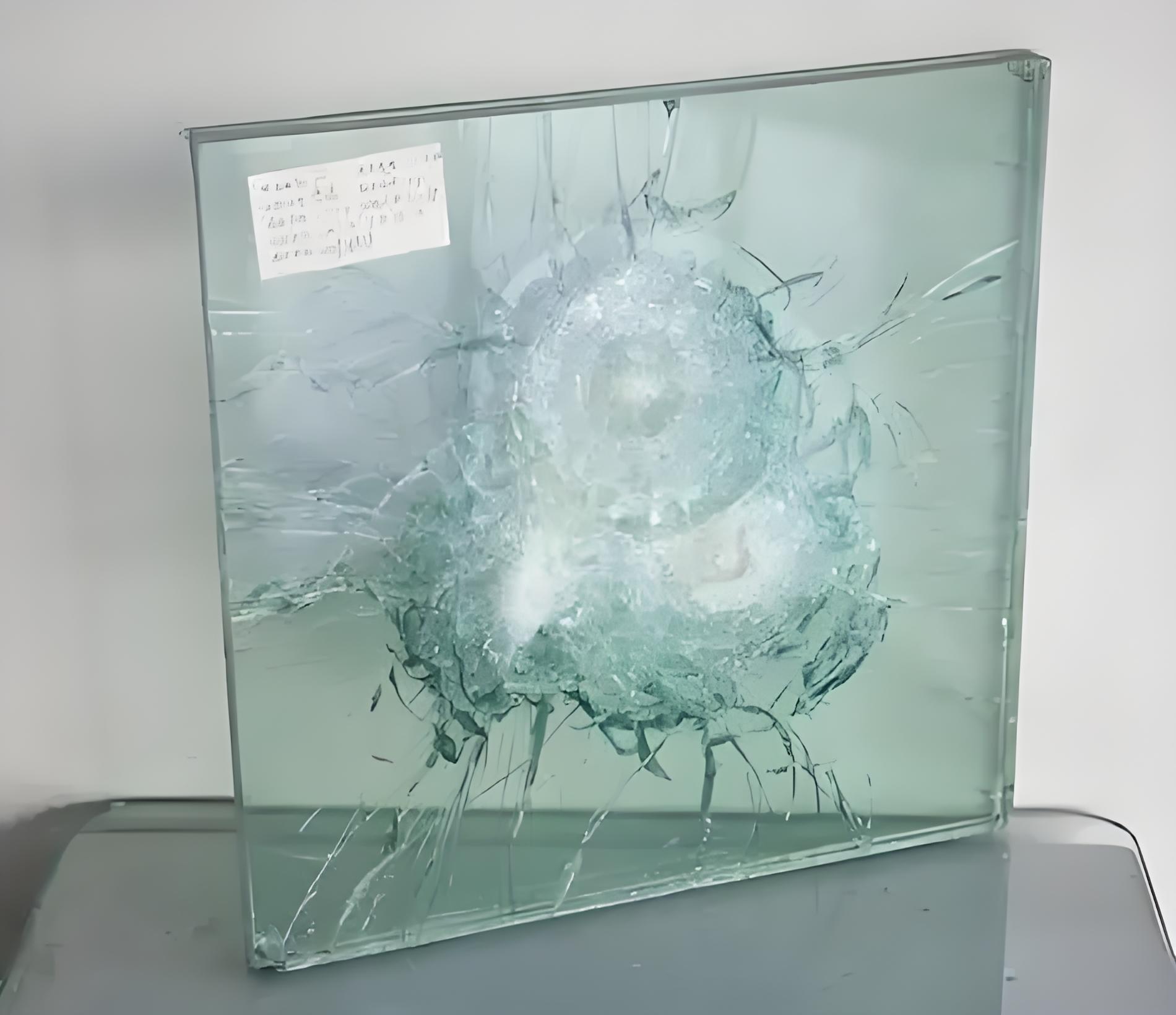
A common pain point in laminating glass with polycarbonate is adhesion failure. In a 2023 project for a Brazilian client, XinGen faced a specific challenge: the customer needed stable adhesion between polycarbonate and glass for bulletproof glass laminates. Traditional EVA or PVB films often delaminate under stress or high temperatures.
The Data: XinGen recommended a high-adhesion TPU film with stable optical clarity. The result? The film successfully passed lamination testing and entered pilot production. The key here is the 1:1 sample development process—XinGen’s in-house lab equipment simulates mass production lines, allowing for fast, reliable sampling. Sample width is 400mm, with a fast lead time and low cost.
Actionable Advice:
Test before scaling: Always request a sample run (400mm width) to test adhesion with your specific materials.While bulletproof glass is a standout application, XinGen’s TPU film serves diverse sectors. Here’s a breakdown based on verified applications:
TPU film is used in paint protection film (PPF) and interior parts. It resists scratches and stone impacts, improving durability by up to 40% compared to standard PVC films.
Actionable Advice:
For interior laminates, choose a film with UV stabilizers to prevent yellowing. XinGen’s films are OEKO-TEX certified, meaning they’re free from harmful chemicals.Self-healing TPU screen protectors are a growing market. XinGen’s film can repair minor scratches when heated to 40°C, extending product lifespan.
Actionable Advice:
For curved screens, request a film with a low modulus (e.g., 10 MPa) to conform easily.Medical-grade TPU is used in wound dressings and catheters. XinGen’s biocompatible films meet FDA and EU 10/2011 certifications.
Actionable Advice:
Verify the film’s biocompatibility with ISO 10993 tests. XinGen provides third-party certifications from SGS and RoHS.One of the biggest barriers to adopting new materials is the time and cost of sampling. Traditional interlayer films often require weeks of iteration and high minimum order quantities. XinGen solves this with:
Fast sampling lead time: Typically within 5-7 business days.Actionable Advice:
Start with a simple lamination trial: Use XinGen’s sample for a 2-layer glass laminate (e.g., 3mm glass + 0.38mm TPU + 3mm glass). Monitor for bubbles or haze.In an industry where trust is earned through proof, XinGen has the credentials:
Certifications: ISO 9001:2015, OHSAS 18001:2007, OEKO-TEX, SGS, RoHS, REACH, FDA, EU 10/2011.Actionable Advice:
Request certification documents before ordering. XinGen provides them upon request.Compared to traditional interlayers like EVA or PVB, TPU offers:
Higher impact resistance: Tested in bulletproof applications.Actionable Advice:
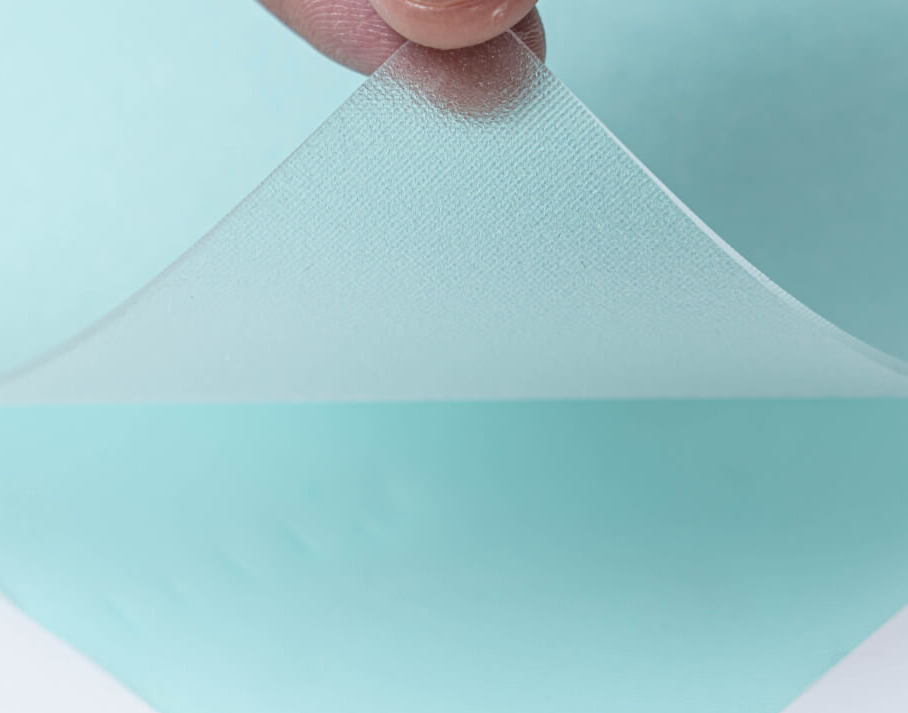
For architectural glass: Use TPU for facades where UV resistance is critical.XinGen’s TPU interlayer film isn’t just about material performance—it’s about making the entire process easier. From fast sampling to scalable production, they’ve addressed the bottleneck that slows down innovation. If you’re developing bulletproof glass, automotive laminates, or medical devices, this is a material worth testing.
Next Steps:
Contact XinGen for a sample (specify width, thickness, and hardness).Your next project deserves a film that works as hard as you do. Give XinGen’s TPU a try.