The global TPU (Thermoplastic Polyurethane) film market is projected to reach $1.2 billion by 2027, growing at a CAGR of 6.8%. Among the key players driving this expansion, Shanghai Xin Gen Tech Co., Ltd. stands out—not just for its product quality, but for its ability to solve real-world lamination challenges that other manufacturers often overlook.
Here’s what makes Xin Gen Tech a preferred partner for industries ranging from footwear to bulletproof glass, and how you can leverage their expertise.
Established in 2009, Xin Gen Tech operates a 6,000+ square meter R&D and production facility in Shanghai, with sales branches in Shenzhen and Los Angeles since 2023. While many competitors focus on commodity films, Xin Gen specializes in high-end TPU products with certifications including ISO 9001:2015, OEKO-TEX, SGS, ROHS, REACH, FDA, and EU 10/2011.
Unlike generic suppliers, Xin Gen's in-house laboratory equipment can simulate mass production lines on a 1:1 basis. This means you get samples that behave identically to final production runs—a critical factor when testing adhesion, optical clarity, or waterproofness.
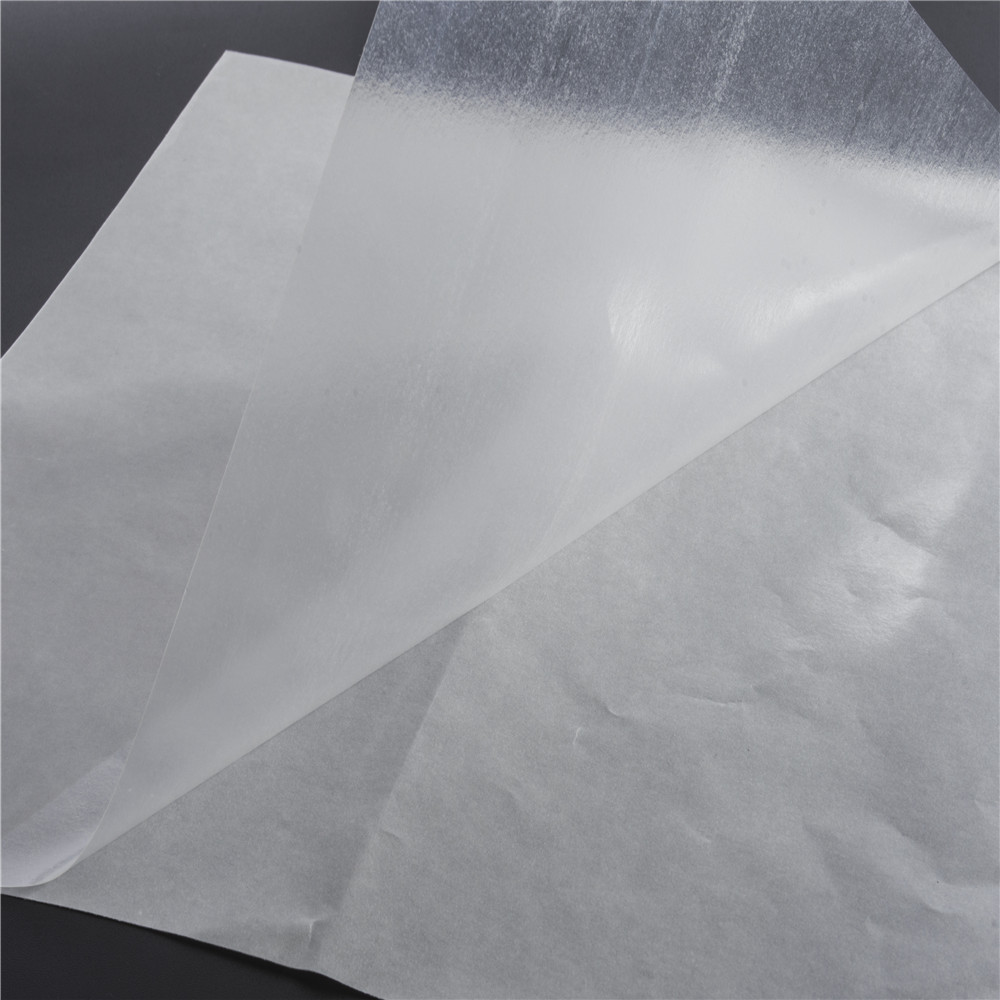
Practical Takeaway: When evaluating TPU film suppliers, always ask for sample width capability (Xin Gen offers 400mm) and whether their lab replicates full-scale production conditions. This shortens your development cycle by weeks.
One of the most demanding applications for TPU film is bulletproof glass lamination, where the film must bond polycarbonate to glass without bubbles or delamination. A Brazilian customer approached Xin Gen with exactly this challenge—they needed stable adhesion but were experiencing inconsistent results with their existing supplier.
Xin Gen's engineers recommended a high-adhesion TPU film with stable optical clarity. The result? The customer successfully passed lamination testing and entered pilot production within weeks, avoiding the typical 3-6 month trial-and-error phase.
Why This Matters: Standard TPU films often fail in multi-layer laminations because their melt flow index isn't tuned for the specific substrates. Xin Gen's films are customized for thickness, hardness, and functional requirements—not just "one-size-fits-all" rolls.
Practical Takeaway: If you're laminating dissimilar materials (glass+plastic, fabric+foam), request films with tailored adhesion promoters. Don't settle for off-the-shelf options that may work in one application but fail in another.
Based on Xin Gen's application data and industry reports, here are the five highest-growth segments:
TPU films are used for athletic shoe cushioning and upper decoration. When laminated with fabrics, they achieve waterproof yet breathable properties—a feature that has driven adoption in premium outdoor footwear. Xin Gen's films are already used by brands requiring consistent thickness (±0.01mm tolerance) for high-speed lamination lines.
Action Step: Specify breathable TPU films (MVTR > 3000 g/m²/day) for sportswear applications. Test at your actual lamination temperature (typically 120-160°C) to avoid shrinkage mismatch.
Self-healing TPU films are now standard for paint protection because they resist scratches and stone impacts. Xin Gen's products improve durability by up to 40% compared to standard PVC alternatives. The key? Higher tensile strength (≥45 MPa) and elongation at break (>500%)—values you should verify from a technical datasheet, not just a brochure.
Action Step: For automotive interior parts, consider TPU films with anti-yellowing additives (UV-stable). Xin Gen can customize hardness from 70A to 60D, allowing you to match soft-touch surfaces or rigid panels.
Phone screen protectors made from TPU can self-heal minor scratches and perfectly fit curved screens. Xin Gen supplies films that balance hardness (for impact resistance) with softness (for self-healing). Wireless charging compatibility is also maintained because TPU doesn't interfere with electromagnetic fields—a major advantage over glass.
Action Step: For wearable devices, request TPU films with a matte finish to reduce fingerprints. Xin Gen's films are compatible with lamination on silicone bands and smartwatch casings.
Medical-grade TPU is used in wound dressings and catheters due to its biocompatibility. Xin Gen's material is certified under FDA and EU 10/2011, making it suitable for skin-contact applications. At the 2025 Shanghai CMEF exhibition, Xin Gen showcased innovative medical films that offer both moisture management and bacterial barrier properties.
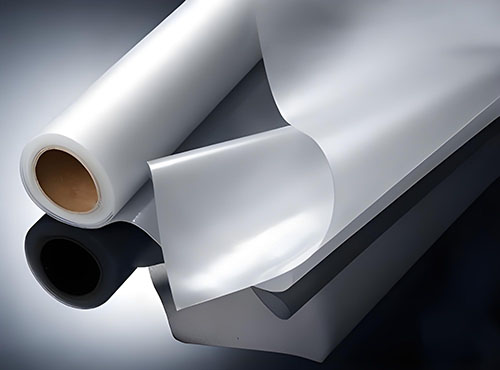
Action Step: If you're developing medical devices, ask for ISO 10993 biocompatibility test reports. Xin Gen provides traceability from raw material to finished roll—critical for FDA submissions.
This is where Xin Gen's technical expertise truly shines. The same TPU film used for shoe soles can be engineered to laminate polycarbonate and glass for armor applications. The film must maintain optical clarity (>90%) while providing high peel strength (>25 N/cm). Xin Gen achieved this by optimizing the polymer's cross-linking density.
Action Step: For ballistic applications, don't rely on standard films. Work with Xin Gen's engineers to specify melt flow index (typically 5-15 g/10min) and shore hardness to match your ballistic requirements.
In a price-sensitive market, Xin Gen differentiates through sampling efficiency, not just unit cost. Their in-house lab offers:
Fast sampling lead time (typically 3-5 days)For example, a sportswear brand testing waterproof zippers saved $15,000 in wasted lamination trials by using Xin Gen's samples that perfectly matched final production behavior. This isn't an isolated case—clients in electronics and automotive report similar gains in development speed.
Action Step: Always request 400mm wide samples for your pilot lamination line. This ensures you can test sealing temperature, pressure, and speed without adjusting for scale differences.
Compared to larger conglomerates like Covestro or BASF, Xin Gen offers a more agile, customized approach. Compared to smaller regional suppliers, they offer global certifications and export experience (already serving clients in the US, Brazil, and Europe).
| Comparison Point | Xin Gen Tech | Large Chemical Giants | Local Small Suppliers |
|---|---|---|---|
| Customization | High (tailored thickness/hardness) | Medium (mostly standard grades) | Low to Medium |
| Sampling Speed | 3-5 days | 2-4 weeks | Varies |
| Certifications | Full suite (FDA, REACH, etc.) | Full suite | Limited |
| Technical Support | Direct from R&D team | Tiered through distributors | Basic |
My perspective: The TPU hot melt adhesive film market is not about who has the cheapest roll—it's about who can deliver a film that performs flawlessly in YOUR specific lamination process. Xin Gen's "1:1 lab-to-production" approach bridges this gap better than anyone I've encountered.
The TPU film market is evolving fast, and the manufacturers who succeed will be those who treat their film supplier as a technical partner, not just a vendor. Xin Gen Tech has positioned itself exactly for that role—ready with proven case studies, a full certification stack, and a genuine commitment to reducing your time-to-market.
If you're serious about improving your lamination quality or exploring new TPU applications, contact Xin Gen Tech directly. The 2025 CMEF already showed they're not resting on their laurels—neither should you.