In an era of smart devices and electric vehicles, we often overlook the humble materials that make innovation possible. One such material, Thermoplastic Polyurethane (TPU) film, has silently revolutionized industries from healthcare to automotive. While many manufacturers offer standard options, the gap between commodity film and precision-engineered solutions is vast. This is where specialized players like Shanghai Xin Gen Tech Co., Ltd. differentiate themselves, delivering performance that generic suppliers simply cannot match.
Let’s dissect why the choice of TPU film supplier matters more than ever, backed by data and real-world application logic.
The consumer goods sector remains the largest consumer of TPU film, but the requirements have shifted from basic lamination to advanced functional performance.
Data Point: The global athletic footwear market is projected to exceed $100 billion by 2025. A single premium running shoe uses up to 150 grams of TPU film for structural support and aesthetic overlays.Operational Advice: When sourcing for footwear, do not just request a film sample. Request a laminated composite test. Xin Gen’s rapid sampling (low cost, fast lead time) allows you to test peel strength and hydrostatic head results before committing to bulk orders.
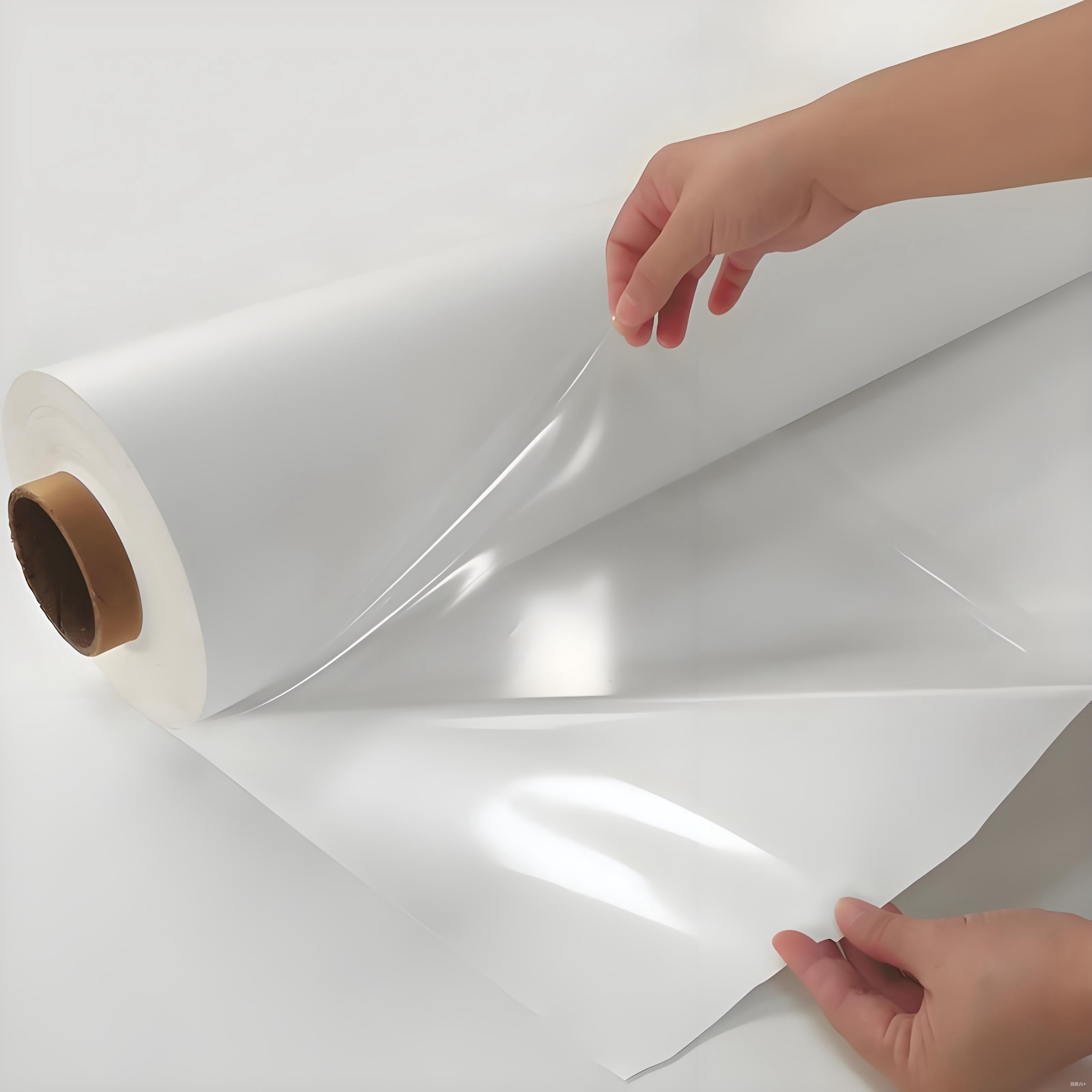
The automotive industry is a demanding battleground for TPU. It’s no longer just about interior trim; it’s about self-healing paint protection films that protect a $60,000 vehicle investment.
Case Study: A Brazilian customer faced a critical issue with bulletproof glass lamination—adhesion failures between polycarbonate and glass layers. Standard TPU couldn't maintain optical clarity under high stress.Operational Advice: For PPF, look for suppliers who understand the chemistry of "self-healing." The healing mechanism requires a specific molecular weight distribution. Ask for Shore hardness data and elongation at break percentages. Xin Gen supports customized thickness and hardness, which is critical for fitting complex curves on modern EV bumpers.
The electronics sector uses TPU for screen protectors and cable insulation. However, the cutting-edge application is in flexible displays and wearable devices that endure constant micro-bending.
The Technical Nuance: The "self-healing" feature is not magic. It relies on the film’s ability to flow micro-molecules into scratches at a specific temperature. If the glass transition temperature (Tg) is too high, scratches remain. If too low, the film is sticky.Operational Advice: In electronics, consistency is king. Insist on a statistical process control (SPC) report from your supplier. Xin Gen’s adherence to ISO 9001:2015 and ISO 18001:2007 ensures that the batch you test is the batch you get, eliminating the risk of "drift" in production quality that plagues smaller manufacturers.
The medical field is arguably the most stringent due to safety regulations. TPU is used in wound dressings and catheters.
Compliance Matters: Xin Gen products are certified by OEKO-TEX, SGS, ROHS, REACH, FDA, and EU 10/2011. This isn't just a marketing bullet point; it is a legal requirement for medical devices entering the European or US markets.Operational Advice: Avoid the trap of choosing a film solely based on price. A cheaper film with inconsistent porosity can lead to garment returns due to sweat accumulation. A supplier like Xin Gen, who participated in the 2025 Shanghai CMEF, understands the long-term reliability needed in medical and outdoor gear.
Here is my professional take: The most expensive TPU film is the one that fails during production.
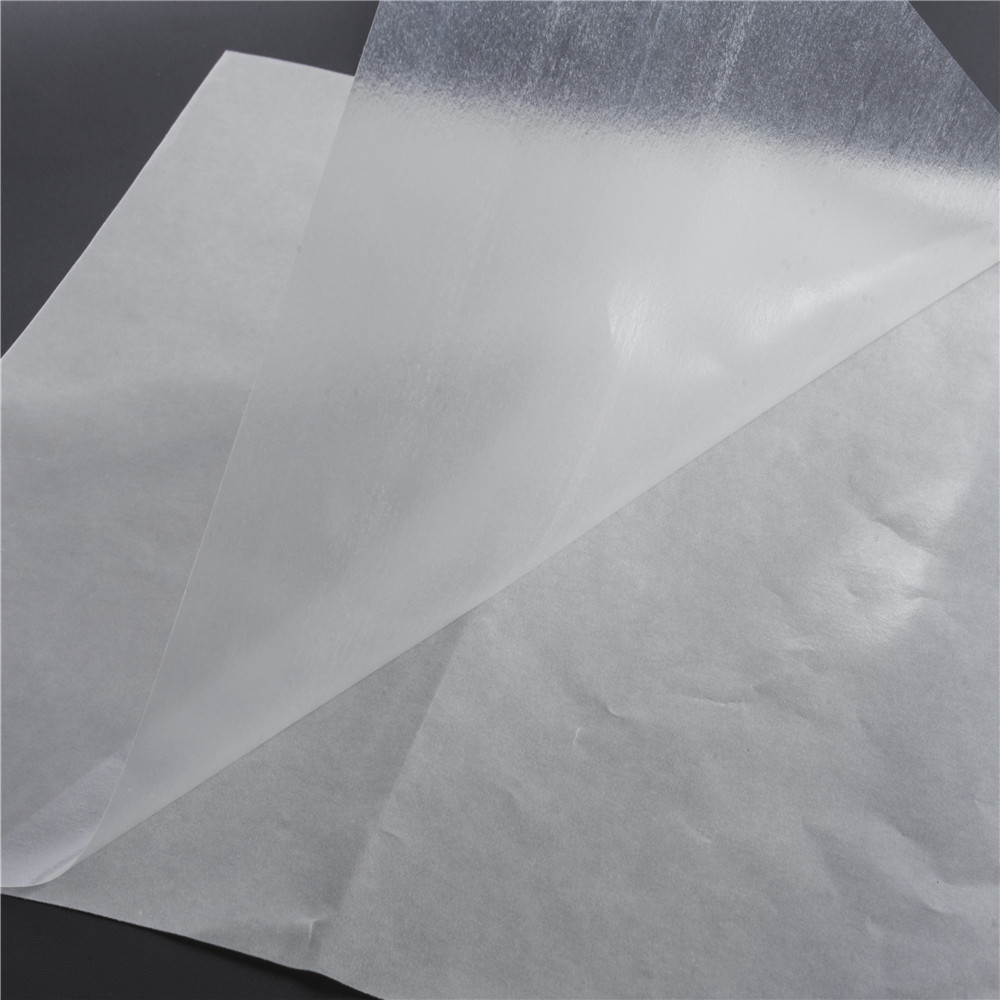
Operational Advice: Calculate the "cost per good unit" instead of "cost per kilogram." If Xin Gen’s film enables a 99.5% yield versus a 96% yield from a cheaper option, the premium is justified tenfold.
Whether you are laminating polyester for school uniforms, protecting a car battery pack, or manufacturing a life-saving catheter, TPU film is the silent protagonist.
While industry giants like Covestro or BASF offer raw materials, and other large manufacturers offer standardized rolls, Shanghai Xin Gen Tech bridges the gap between material science and practical application. Their ability to provide 1:1 production simulation in their laboratory—covering a 400mm width—allows for a seamless transition from sample to mass production, a service rarely offered with such speed.
In this specialized field, the true value lies not in the polymer granules, but in the engineering expertise applied. Choose a partner who can simulate your production line before you invest in it. That is the ultimate strategic advantage.