In the world of advanced materials, TPU (Thermoplastic Polyurethane) hot melt adhesive films have become indispensable. From waterproof outdoor gear to high-performance automotive paint protection, these films offer unmatched versatility. However, the difference between a successful product launch and a costly failure often comes down to one critical decision: where you source your material. Choosing a direct factory partner—like Shanghai Xin Gen Tech Co., Ltd.—over a middleman can fundamentally change your supply chain, cost structure, and R&D speed. Let's break down the hard data and practical steps to make the right choice.
When you work with a trading company, you are paying a markup that inflates your material costs by 10-20%. More importantly, you lose control over quality traceability. A direct factory source ensures you are getting the exact polymer formulation you paid for, with consistent melt flow index and adhesion properties.
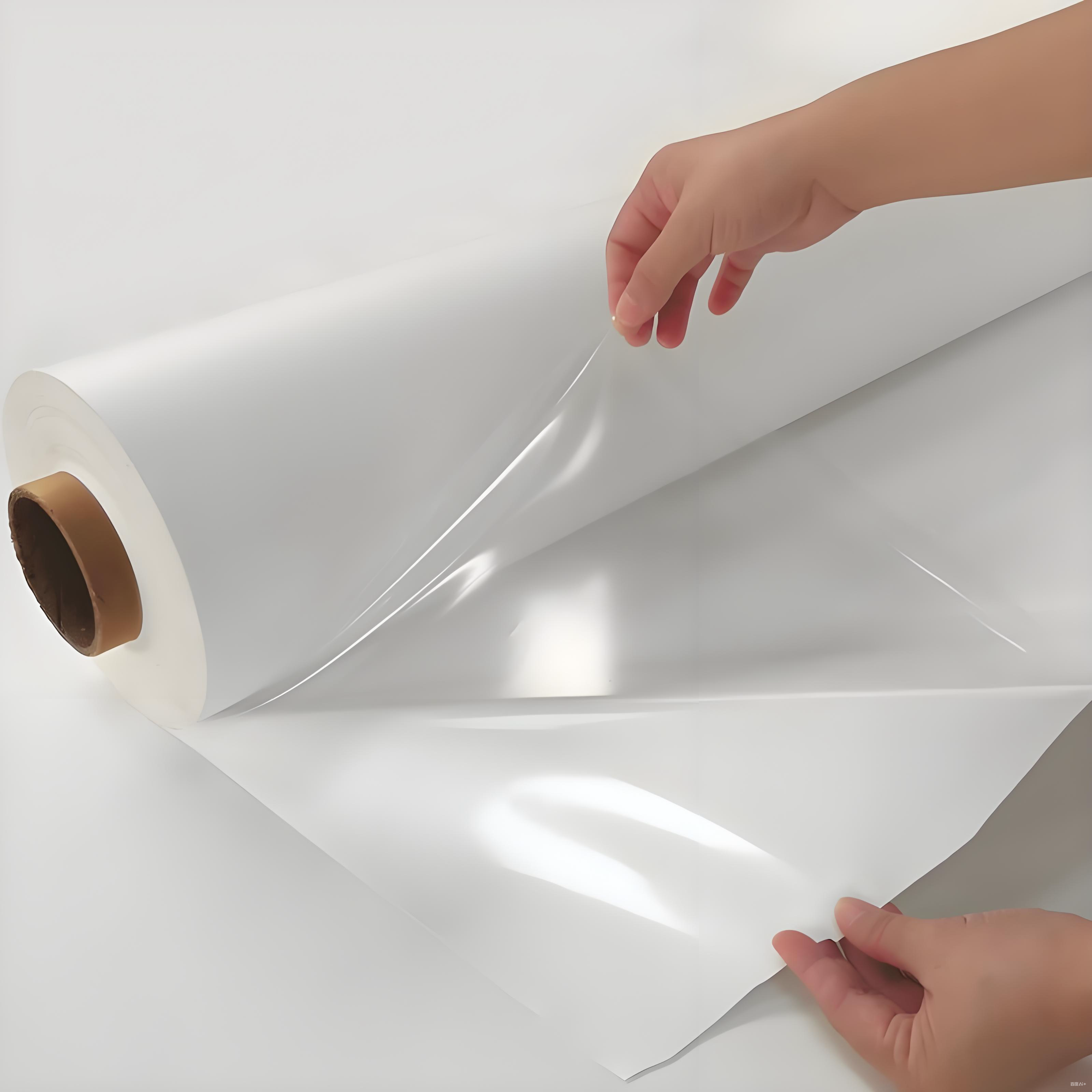
The Data: At Xin Gen Tech, our in-house laboratory equipment can closely simulate our mass production lines on a 1:1 basis. This means the sample you test (width: 400mm) is identical in quality to the bulk rolls you receive later. We hold ISO 9001:2015 and OHSAS 18001:2007 certifications, and our TPU films are backed by OEKO-TEX, SGS, ROHS, REACH, FDA, and EU 10/2011 approvals. This isn't just paperwork; it’s a guarantee of chemical safety for applications ranging from medical catheters to baby clothing.
Operational Advice: When vetting a supplier, do not accept "similar" formulations. Demand a Certificate of Analysis (COA) for every batch. For critical applications, request a 400mm wide sample roll for your own lamination trials. A true factory will provide this at low or no cost because they have the R&D capacity. In 2023, we established sales branches in Shenzhen and Los Angeles to serve global clients faster, but all core production remains in our 6,000+ square meter Shanghai facility, established in 2009.
In sectors like electronics and footwear, a delay of two weeks in prototyping can mean losing a seasonal contract. Traditional supply chains require 3-4 weeks for sample development. Our factory system compresses this to a matter of days.
The Xin Gen Advantage: We specialize in customized thickness, hardness, and functional requirements (e.g., flame retardancy or anti-yellowing). Our fast sampling lead time and low sampling cost are designed to accelerate your project evaluation. For example, we recently worked with a Brazilian client in the security glazing market. They needed a TPU film for bulletproof glass lamination that offered stable adhesion between polycarbonate and glass. We recommended a high-adhesion TPU film with stable optical clarity. The result? They successfully passed lamination testing and entered pilot production—a process that took us weeks, not months, thanks to our 1:1 production line simulation.
Operational Advice: When you send a request for quotation (RFQ), specify your exact lamination conditions (temperature, pressure, dwell time). Ask the factory if their sample development team can replicate your process. If they hesitate, you are likely talking to a trader who has to wait for their own factory. Choose a partner who can offer professional technical support during the sampling process, not just after you place a bulk order.
The TPU market is flooded with commodity films for simple fabric lamination. But your project might require medical-grade biocompatibility or automotive-grade scratch resistance. A source factory can navigate these complex requirements.
Industry Breakdown:
Footwear & Bags: The largest consumer market for TPU (used in shoe cushioning and upper decoration).A generalist distributor cannot offer the deep technical knowledge required to adjust the polymer's hardness for a soft-touch wearable device versus a rigid automotive clip.
Challenge: A Brazilian customer approached us with a critical issue: their polycarbonate and glass laminates were failing adhesion tests under high heat.
Solution: Our R&D team analyzed the stress points and recommended a specialized high-adhesion TPU film. We weren't just selling a product; we provided the technical parameters necessary for their existing equipment.
Result: The film passed lamination testing and moved to pilot production. This is what Xin Gen Eco-Technologies (Shenzhen) Co., Ltd. (our sales arm) and Shanghai Xin Gen Tech Co., Ltd. deliver: solutions, not just materials.
Many buyers are lured by lower prices from overseas traders, only to find that the "factory" is actually a small workshop with poor quality control. This is a critical risk in applications like TPU films for bulletproof lamination or medical devices where failure is not an option. Ensure your source factory has a dedicated R&D center and product laboratory. Our continuous presence at international trade shows, like the 2025 Shanghai CMEF (which focused on innovative medical materials), demonstrates long-term commitment to the industry. If a supplier cannot show you their laboratory or certification certificates, walk away.
To secure a reliable TPU hot melt adhesive film supply chain, focus on these steps:
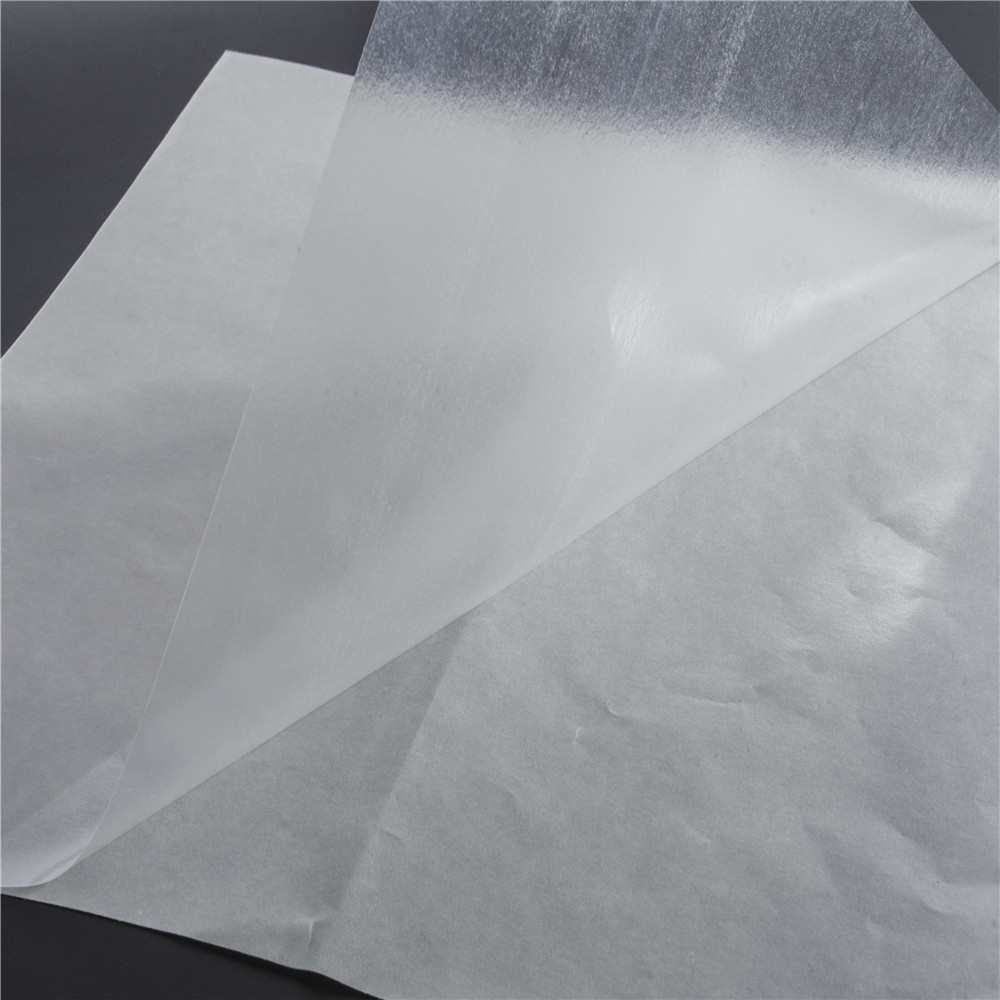
Request a 1:1 Simulation Trial: Never test a lab sample on a bench-scale machine. Ask for a sample that is produced on a pilot line that mimics mass production (like our 400mm width capability). This ensures stable and consistent sample quality.In conclusion, sourcing TPU hot melt adhesive films directly from a factory like Xin Gen Tech is no longer a "premium" option—it is a strategic necessity for companies that need rapid prototyping, low costs, and technically superior materials. By leveraging our fast sampling system and 1:1 production simulation, you shorten development time and accelerate project evaluation. The choice is clear: partner with the source, not the intermediary.