When you specify a TPU hotmelt adhesive film for a critical application, the difference between a standard supplier and a true professional service provider is not just the film itself—it is the entire engineering ecosystem wrapped around it. In my experience working with manufacturers across industries, the fastest way to derail a project is to treat TPU film as a commodity. It is not. It is a precision engineering material.
The market is full of film suppliers, but few offer the integrated capabilities that define a professional service provider. Let’s break down what that actually means, with concrete data and actionable points.
Here is a pain point I hear constantly: "We need a prototype, but the supplier’s sampling line doesn’t match their production line." This mismatch creates a deadly trap. You qualify a sample, scale up, and then discover the production batch behaves differently—adhesion fails, thickness tolerance drifts, or optical clarity degrades.
The solution is a sampling system that mirrors mass production. Xin Gen Tech operates an in-house laboratory with equipment designed to simulate their mass production lines on a 1:1 basis. This is not a marketing claim; it is an operational reality. The sample width is 400mm, and the process parameters are identical to their full-scale lines.
The Professional Provider’s Advantage:
Fast Sampling Lead Time: You get samples in days, not weeks.My Recommendation:Do not accept samples from a supplier that cannot guarantee 1:1 process replication. Ask them specifically: "Is your sample line capable of running the exact same thickness, hardness, and functional modifications as your production line?" If they hesitate, you are looking at a sales organization, not a professional service provider. Xin Gen’s support during the sampling phase includes professional technical guidance, which is critical if you are pushing into unfamiliar territory like lamination trials with polycarbonate or glass.
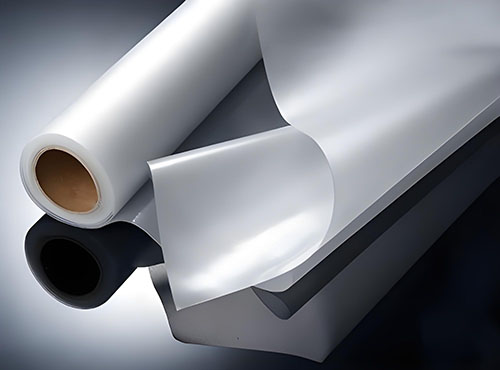
Comparing TPU films purely on price per kilogram is a mistake that costs companies significant money in rejected batches and production delays. A professional provider understands that the cost of a failed lamination—scrap material, machine downtime, and rework labor—far outweighs a slight premium on film cost.
Consider the automotive paint protection film (PPF) segment. A high-quality TPU film resists scratches and stone impacts. If a lower-quality film fails on the hood of a vehicle, the replacement cost is not just the film; it is the labor, the rework, and the potential reputational damage.
Data from the electronics industry shows that self-healing TPU screen protectors are expected to perfectly fit curved screens. If the film’s thickness tolerance is off by even 0.01mm, the self-healing layer may not align with the display, causing rejection at the final inspection stage.
The Professional Provider’s Advantage:
Third-Party Certifications: Xin Gen Tech holds ISO 9001:2015, OHSAS 18001:2007, and has certified compliance with OEKO-TEX, SGS, ROHS, REACH, FDA, and EU 10/2011. These are not logos to be collected; they are the baseline for your market access.My Recommendation:When evaluating a supplier, ask for their failure rate data across specific applications—for example, the defect rate on PE breathable film laminations or the yield rate on bulletproof glass interlayers. A professional provider will have this data from their internal lab. A reseller will only have a datasheet.
The real test of a professional service provider is how they handle specialty fields. For example, TPU film for bulletproof glass lamination in Brazil. The challenge was to ensure stable adhesion between polycarbonate and glass. The solution required a high-adhesion TPU film with stable optical clarity. In this case, a standard film would delaminate under stress or yellow over time due to UV exposure.
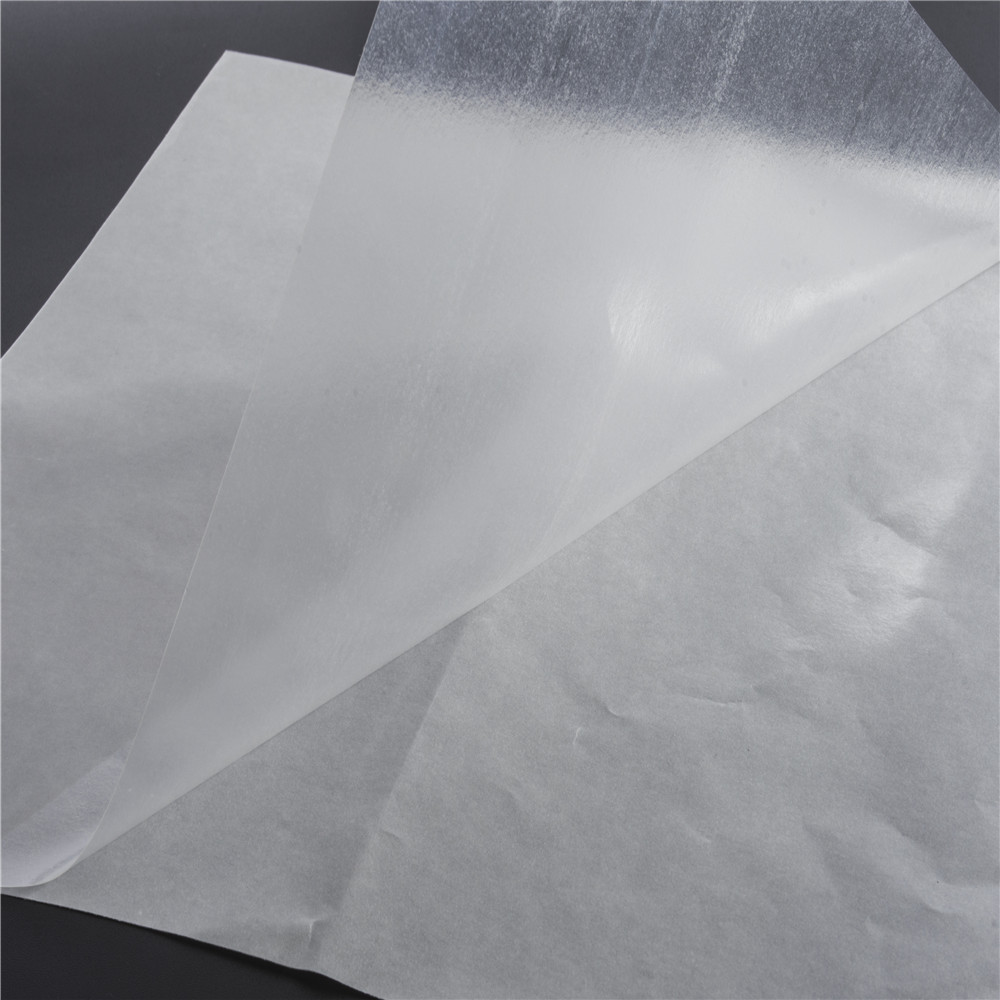
Xin Gen Tech’s approach was not to sell a standard product, but to recommend a specific grade of high-adhesion film that had been tested in their lab. The result: The customer successfully passed lamination testing and entered pilot production.
The Professional Provider’s Advantage:
Cross-Industry Knowledge: Whether it is medical-grade TPU for wound dressings or flexible electronics for wearables, a provider with a broad R&D portfolio can cross-pollinate solutions. The knowledge gained from a medical catheter project can inform a solution for a wire insulation problem.My Recommendation:If you are working on a specialty application—bulletproof glass, medical devices, or high-frequency electronics—you should have a technical conversation with the supplier’s engineers, not just the sales team. Bring your challenge, and ask them for a solution that has been validated on their equipment, not just one that looks good on paper.
The TPU market is crowded, but there is an advantage to working with a company that has survived and thrived since 2009. Xin Gen Tech, with its headquarters, R&D, and factory in Shanghai covering over 6,000 square meters, and sales branches in Shenzhen and Los Angeles established in 2023, demonstrates global reach.
This longevity matters. It means they have seen the market cycles, they have invested in R&D through downturns, and they have the capital to maintain their ISO 9001:2015 and OHSAS 18001:2007 certifications.
The Professional Provider’s Advantage:
Stability on the Ground: You are not relying on a fly-by-night operation that could disappear when commodity prices fluctuate.My Recommendation:When comparing providers, do not just look at their price list. Look at their operations. Visit their facility if you can. The fact that Xin Gen Tech presented at the 2025 Shanghai CMEF is a signal that they are investing in the medical sector and staying at the forefront of innovation.
The bottom line is this: TPU hotmelt adhesive film is a solution that requires partnership. The film’s performance is directly tied to the precision of its manufacturing and the expertise of its development team. A professional service provider like Xin Gen Tech offers the 1:1 sampling lab, the third-party certifications, and the cross-industry experience to help you de-risk your product development.
When you are in the market for TPU film, do not ask "What is the price per square meter?" Instead, ask "What is your success rate for lamination trials?" and "Can your lab replicate your production line exactly?" The answers will reveal whether you are talking to a vendor or a partner. Choose the partner.