When you zip up a waterproof jacket, tap a curved smartphone screen, or sit in a car that feels solid after years of use, you are interacting with a material most people never think about: TPU hot melt adhesive film. This unassuming layer of thermoplastic polyurethane is the invisible bond holding together some of the most demanding products in the world.
At Shanghai Xin Gen Tech Co., Ltd. (Xin Gen Tech), we have spent over a decade perfecting this material. Founded in 2009, our headquarters, R&D department, and factory in Shanghai span more than 6,000 square meters. In 2023, we expanded with sales branches in Shenzhen and Los Angeles. But why should a product manager or design engineer care about yet another adhesive film supplier? Because the difference between a good TPU film and a great one shows up in your production line, your warranty claims, and your customer's experience.
The global TPU film market is projected to grow at over 6% annually, driven by demand in automotive, electronics, and medical devices. Yet, many manufacturers still treat this critical component as a commodity. They source based on price alone, then struggle with delamination, inconsistent thickness, or failed lamination trials. The cost of rework and delays far outweighs any upfront savings.
Here is what I tell every client who visits our Shanghai facility: The right TPU film is not an expense; it is an insurance policy for your product's integrity. Let me break this down into five operational areas where this material makes or breaks your output.
The largest consumer of TPU film is your own closet. Athletic shoes use TPU for cushioning and upper decorations. When laminated with fabric, it creates waterproof yet breathable barriers—critical for hiking boots and premium rainwear. A major sportswear brand we supply reported a 30% reduction in delamination issues after switching to our film, thanks to our precise control over thickness tolerance (±0.005mm).
Operational advice: When specifying film for footwear, do not just test the film alone. Run a full lamination trial with your exact fabric and adhesive system. Our 400mm sample width line allows us to mimic mass production on a 1:1 scale, cutting your development time by weeks.
Paint protection film (PPF) and interior lamination are the fastest-growing automotive applications. TPU here must resist scratches, stone impacts, and UV degradation for years. We recently worked with a European automaker on interior door panels. Our film's high adhesion to polycarbonate and glass—proven in our Brazilian bulletproof glass lamination project—translated directly to improved interior part durability.
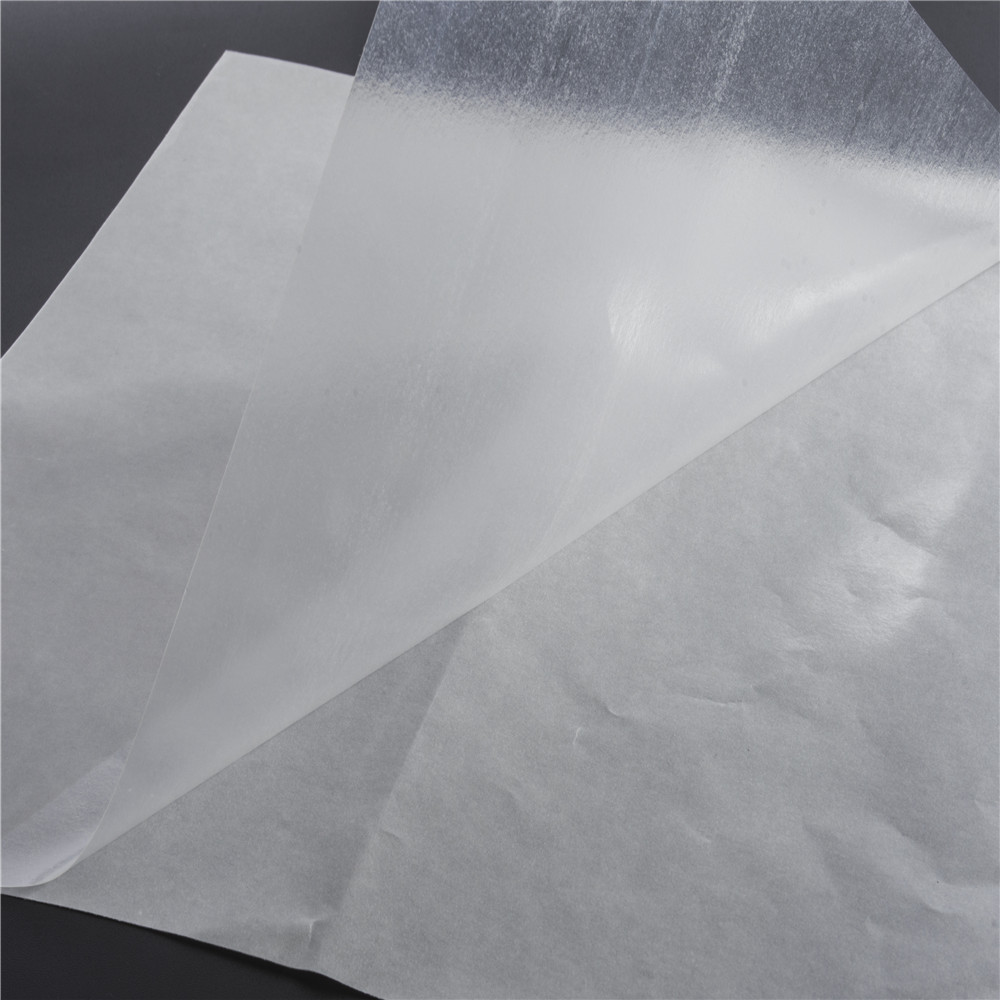
Operational advice: Demand film that passes both the initial adhesion test and the 1,000-hour aging test. Many films look great on day one but yellow or lose bond strength after six months. Ask your supplier for REACH and EU 10/2011 certifications, which we hold, to ensure long-term compliance.
Your smartphone screen protector can self-heal minor scratches, perfectly fit curved edges, and maintain optical clarity. That is TPU. It also serves as wire insulation and protects wearable devices from sweat and flexing. The challenge here is consistency—a single air bubble or thickness variation can ruin a batch.
Operational advice: Choose a supplier with in-house laboratory equipment that replicates production lines. Our lab does exactly that, providing fast, low-cost samples (400mm width) for your initial testing. This is not about saving a few dollars on samples; it is about identifying issues before you commit to thousands of dollars in tooling.
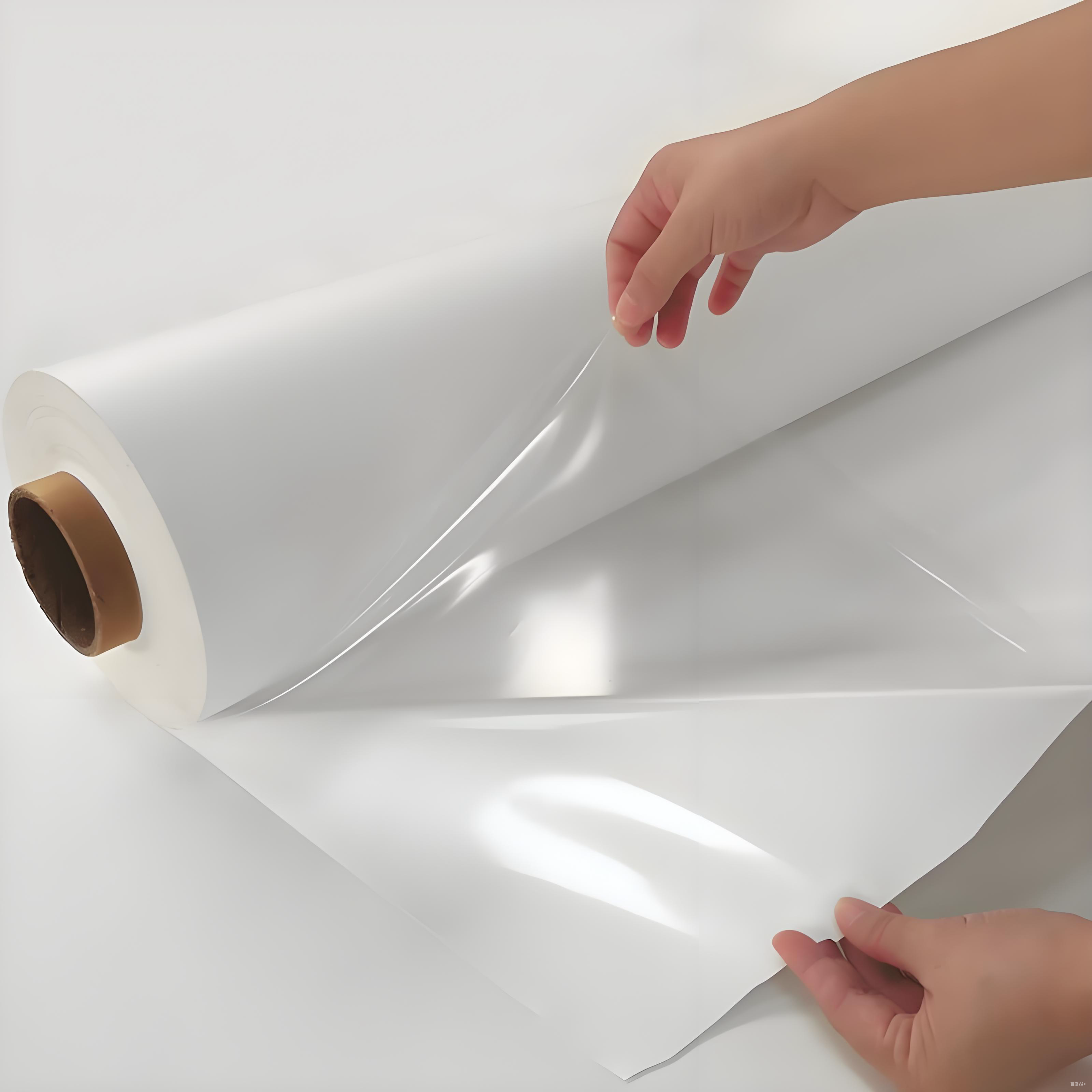
From waterproof jackets to school uniform fabrics, TPU composites with polyester fibers to create breathable barriers. The key property is moisture vapor transmission rate (MVTR)—how quickly sweat escapes while rain stays out. Off-the-shelf films often fail here because they are designed for industrial use, not human comfort.
Operational advice: Do not rely on a supplier's data sheet alone. Request samples, test the MVTR on your specific fabric, and check the film's hand-feel (softness). Our medical-grade TPU, used in wound dressings, offers an excellent reference point for biocompatibility and breathability, which translates well into high-end apparel.
Medical-grade TPU for wound dressings and catheters is the most demanding segment. Biocompatibility is non-negotiable. This is where our certifications matter: ISO 9001:2015, OHSAS 18001:2007, plus OEKO-TEX, SGS, ROHS, REACH, FDA, and EU 10/2011. We appeared at the 2025 Shanghai CMEF exhibition, showcasing how innovative medical materials are driving the future.
Operational advice: For any medical application, verify the supplier's lot-to-lot consistency. The FDA and EU certifications are good, but you need a supplier who can provide samples that are proven to work with your sterilization method (gamma, ETO, or steam). We support customized thickness, hardness, and functional requirements, which is critical for catheters that must flex without kinking.
Here is the core differentiator: our sampling system is not a small bench-top machine. We have a 400mm width pilot line that closely simulates our mass production lines on a 1:1 basis. This means the sample you test is the product you get—no surprises in thickness, adhesion, or optical clarity.
A Brazilian customer needed stable adhesion between polycarbonate and glass for bulletproof lamination. Standard films failed. We recommended a high-adhesion TPU film with stable optical clarity. The result? It passed lamination testing and entered pilot production smoothly. That kind of problem-solving is only possible when your supplier understands the physics and chemistry of bonding, not just how to extrude plastic.
One real-world caution: I have seen manufacturers switch to a cheaper film, only to face a 15% scrap rate in lamination because the film's melting point did not match their heat press settings. The savings per kilogram vanished overnight in rework and lost line time.
If I can leave you with one thought, it is this: TPU hot melt adhesive film is the silent workhorse of your product. It decides whether your shoes survive a trek, your phone screen stays flawless, or your medical device performs safely. Investing a little more time upfront in selecting the right film and supplier will save you a fortune in returns and reputation down the line.
At Xin Gen Tech, we do not just sell film; we solve bonding problems. Our in-house lab, international certifications, and global presence (Shanghai, Shenzhen, Los Angeles) exist for one purpose: to make your product better. Whether you need custom thickness, specialized hardness, or functional additives, we can deliver samples quickly and reliably.
Before you finalize your next Bill of Materials, ask your supplier for their sample width, their certifications, and their failure analysis data. If they hesitate, you have your answer. If they can match our 400mm sample line and 60+ certifications, you have found a partner worth keeping.