The medical industry operates on a non-negotiable standard: patient safety and material reliability. When it comes to Thermoplastic Polyurethane (TPU) films used in wound dressings, medical catheters, and surgical drapes, the choice of manufacturer is not a procurement decision—it is a clinical one. For engineers and purchasing managers sourcing these critical components, the difference between a compliant batch and a costly recall often lies with the supplier's in-house testing capabilities and material traceability.
According to industry reports, the global medical TPU film market is projected to grow at a compound annual growth rate of over 6% through 2030, driven by the shift from PVC to TPU in blood bags and IV lines. This growth brings intense scrutiny. Regulatory bodies like the FDA and EU MDR do not just require final product testing; they demand process validation and batch-to-batch consistency. A leading challenge reported by medical device makers is the inconsistency in film glass transition temperature and hydrolysis resistance across different lots from low-cost suppliers.
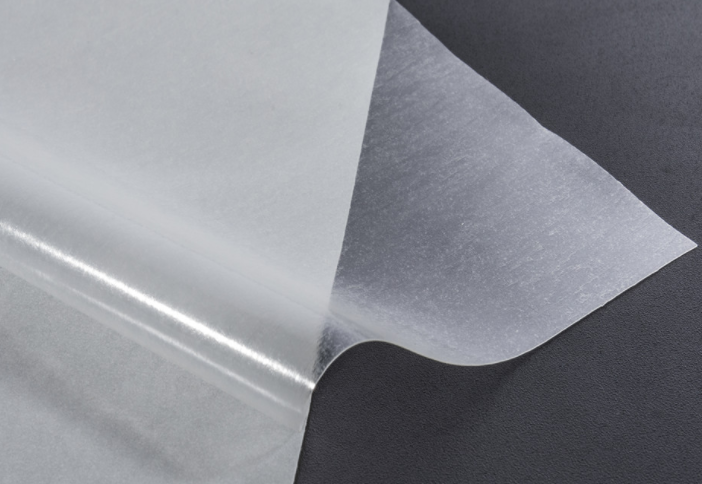
Here is the reality: A TPU film that works perfectly in a Shanghai humid summer can crack in a dry Arizona operating room if the polymer's soft segment ratio is not precisely controlled. This is where manufacturers with dedicated R&D centers and pilot production lines outperform generic film converters.
The most overlooked factor is the gap between a supplier's laboratory sample and their mass production output. Many manufacturers offer "lab samples" that are impossible to replicate at scale.
Why Xin Gen Tech Leads: Our facility in Shanghai houses a laboratory line with a 400mm sample width that closely simulates our mass production lines on a 1:1 basis. This is not just a marketing point—it directly addresses the #1 user pain point: inconsistent quality from sample to bulk.
Practical Action: When vetting a supplier, ask for a "pilot run" test, not a "lab sample" test. Validate that their sampling thickness control (±0.01mm) and surface defect rate (pinholes per square meter) remain identical when they scale up to 1000mm width. Xin Gen Tech’s sampling system is designed to de-risk this exact scenario.ISO 10993 certification is table stakes, not a differentiator. The real challenge is in additive migration. Standard TPU films might contain slip agents or UV stabilizers that are harmless in footwear but toxic in wound contact.
The Xin Gen Difference: All our medical-grade TPU films are manufactured without plasticizers and are validated against EU 10/2011 and FDA standards. We do not just provide a certificate; we provide a conflict mineral declaration and a full Material Declaration per batch, ensuring that trace amounts of catalysts (like tin) remain below the 0.5 ppm detection limit.
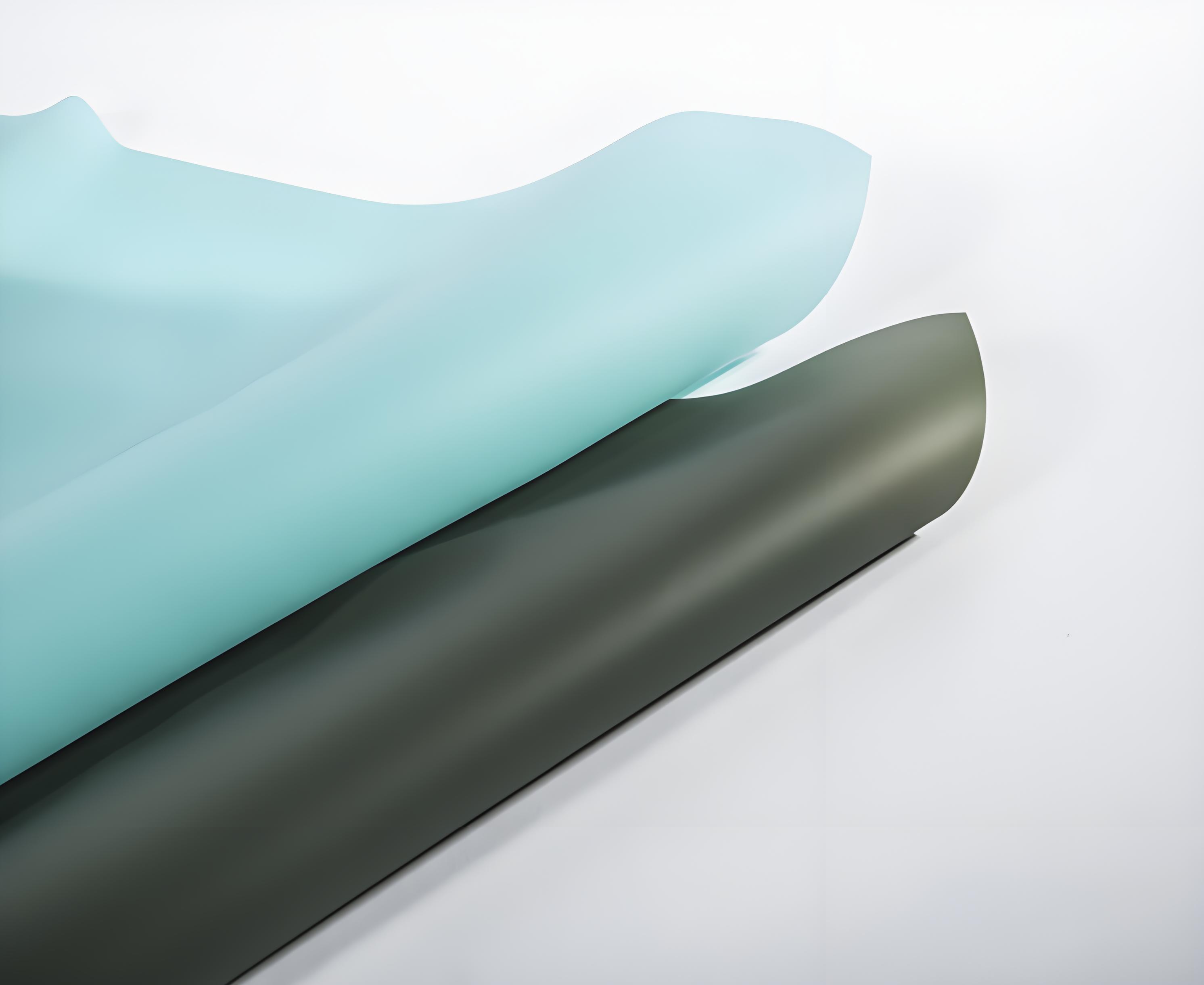
For catheters and drainage bags, the enemy is not heat—it is time. Standard TPU ester-based films can degrade in humid environments, leading to stiffening or cracking after 12 months of storage.
Xin Gen Tech’s Track Record: We overcame this challenge in a high-profile project for bulletproof glass lamination (PC to glass), which requires extreme adhesion plus optical clarity. The same chemical engineering principles—controlling the hard segment content to maximize hydrolysis resistance—are applied to our medical films. We utilize a pre-polymer process that reduces free isocyanate monomers, enhancing long-term stability.
Practical Action: Do not rely on accelerated aging alone. Ask the manufacturer for their real-time aging data (24 months at 37°C) . If they cannot provide it, consider it a red flag. Xin Gen Tech’s ISO 9001:2015 and OHSAS 18001:2007 certified facilities maintain this data for critical clients.Post-pandemic, raw material (MDI and PTMEG) supply from Asia has been volatile. A manufacturer without a vertically integrated purchasing strategy will face 8-10 week lead times, which is unacceptable for Just-In-Time medical manufacturing.
Our Strategy: Xin Gen Tech, established in 2009 with a 6,000+ square meter headquarters and factory, has secured long-term contracts with major Korean and German polyol suppliers. In 2023, we expanded sales branches to Shenzhen and Los Angeles, allowing for localized warehousing to buffer against shipping delays.
Practical Action: Audit your supplier's secondary raw material source. We openly share our dual-sourcing strategy for the core TPU granules—an uncommon level of transparency in this industry.A film for a wound dressing (breathable, soft) is chemically distinct from a film for a IV line (kink-resistant, clear) or a surgical film (high tensile strength).
Case Study: In 2024, we assisted a Brazilian client with a bulletproof glass lamination project. The challenge was achieving stable adhesion between polycarbonate and glass without optical distortion. Our solution was a high-adhesion TPU film with a specific surface tension and melt flow index adjustment. This same level of "chemistry tuning" is applied to our medical clients—whether they need a matte finish for anti-blocking or a custom hardness (80A to 60D) for catheter stiffness.
Practical Action: Provide your supplier with a load-displacement curve of your desired film performance, not just a thickness and width. Better yet, ask for customized thickness (0.01mm to 0.5mm) and hardness options—Xin Gen Tech supports this without a massive minimum order quantity (MOQ) penalty, thanks to our lab line.The market is crowded with film extruders, but very few are polymer engineers. Shanghai Xin Gen Tech Co., Ltd. stands out in the medical sector for a singular reason: we treat sample development as a scientific project, not a logistics task. With a dedicated R&D center, OEKO-TEX and SGS certifications, and a 1:1 sampling philosophy, we reduce the risk of failure from the first prototype to the millionth unit.
For medical device engineers, the choice is clear. Ask the hard questions about hydrolysis data, catalyst residue, and mass production consistency. If a supplier hesitates, move on. If they are willing to share real-time data and pilot production runs, you have likely found a partner who understands that in medical films, perfection is not an option—it is a requirement.