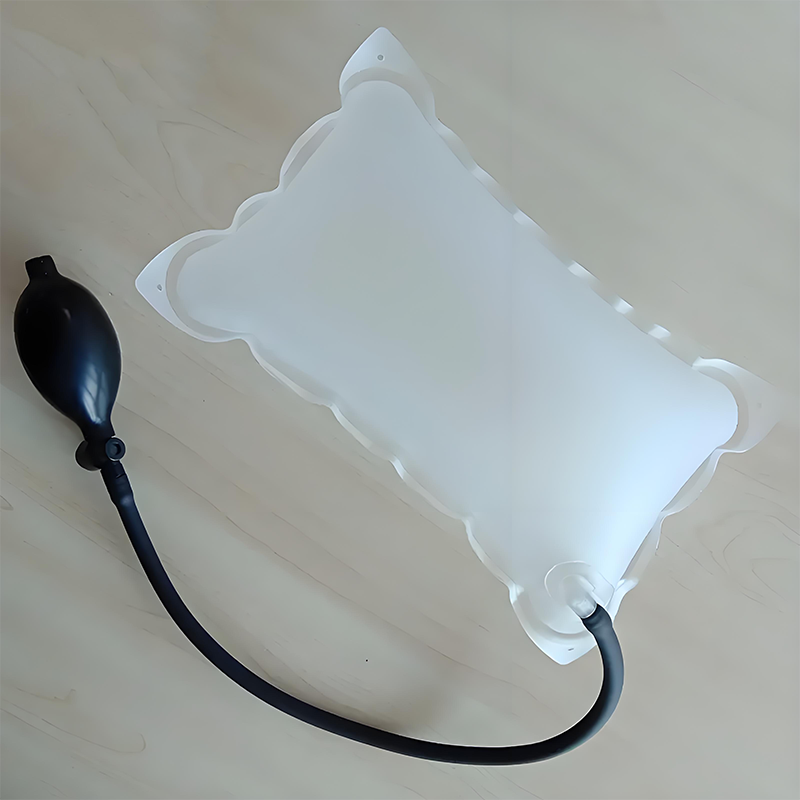
The global medical device market is increasingly turning to Thermoplastic Polyurethane (TPU) films for applications ranging from wound care to catheter tubing. Unlike commodity plastics, medical-grade TPU demands an exacting standard of purity, thickness consistency, and biocompatibility. For original equipment manufacturers (OEMs) and medical device startups, choosing the right industrial partner is not just about material supply—it is about risk mitigation and regulatory compliance.
In this landscape, Shanghai Xin Gen Tech Co., Ltd. (Xin Gen Tech) stands out as a dedicated high-end TPU film manufacturer. Since its establishment in 2009, the company has built a 6,000-square-meter R&D and production facility in Shanghai, with sales branches in Shenzhen and Los Angeles added in 2023. Their focus on a 1:1 simulation of mass production lines for sampling is a game-changer for the industry.
The medical sector is unforgiving. A 0.01mm variation in film thickness can affect drug delivery rates in transdermal patches. According to industry reports, the medical TPU market is projected to grow at a CAGR of 7.2% between 2024 and 2030, driven by the shift from PVC to TPU for IV tubing and wound dressings.
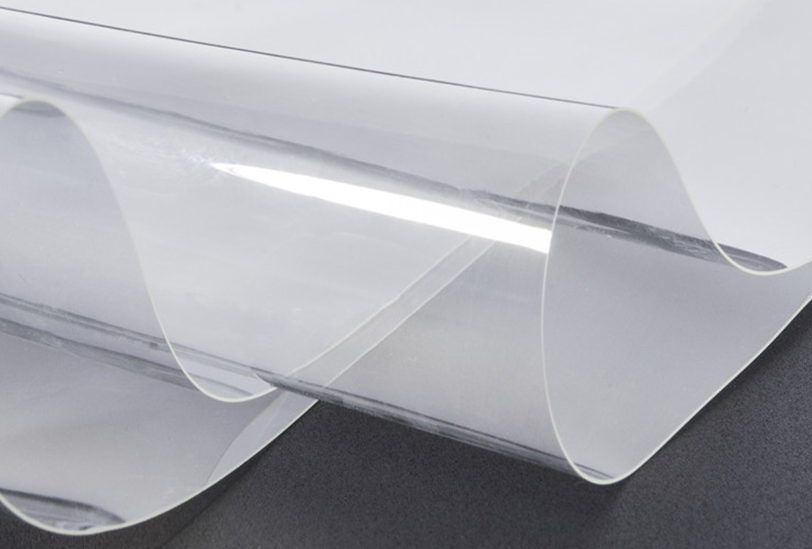
Why TPU? TPU offers superior hydrolysis resistance, elasticity, and a wide range of hardness (Shore A 50 to Shore D 65). It can be sterilized via ethylene oxide (EtO), gamma rays, and autoclaving without compromising physical properties.
Operational Advice: When sourcing medical films, always request a biological evaluation certificate per ISO 10993. Xin Gen Tech provides third-party certifications including FDA, REACH, and EU 10/2011, which are non-negotiable for global market access.
Our View: Do not rely solely on a raw material supplier's resin datasheet. The film manufacturing process—extrusion temperatures, chill roll settings, and winding tension—determines final properties. Xin Gen Tech’s in-house laboratory, equipped with a 400mm wide sample line, ensures that the sample you test is the same quality as the mass-produced roll.
One of the most significant bottlenecks in medical device development is the time lost between prototyping and scaling up. Traditional TPU manufacturers often use lab casters that cannot replicate high-shear extrusion conditions, leading to discrepancies in clarity and mechanical strength.
Xin Gen Tech addresses this with a proprietary fast sampling system that mimics their commercial production lines on a 1:1 basis. This is not a marketing gimmick; it means that lamination trials and weldability tests conducted on their samples are directly transferable to mass production.
Case in Point: For a Brazilian client needing TPU film for bulletproof glass lamination (a technique repurposed for medical imaging equipment shields), the challenge was adhesion between polycarbonate and glass. Xin Gen Tech recommended a high-adhesion TPU variant with stable optical clarity. The result? The film passed lamination testing and entered pilot production without iterative re-engineering.
Operational Advice: Insist on a minimum of three sample batches from your film supplier to assess batch-to-batch consistency. Xin Gen Tech supports customized thickness, hardness, and functional requirements, such as radiopacity or antimicrobial additives, during the sampling phase.
Medical devices are not "fit-and-forget" products. Deep vein thrombosis (DVT) prevention devices, for instance, require films that conform to complex geometries while maintaining pressure gradients. Similarly, artificial skin applications necessitate a moisture vapor transmission rate (MVTR) that balances exudate management with bacterial barrier function.
Xin Gen Tech's Technical Edge:
Film Widths: Production capabilities support narrow and wide width requirements, ensuring minimal waste during die-cutting.In our analysis, the real value of Xin Gen Tech lies in their consultative approach. For medical startups, their Los Angeles and Shenzhen branches provide localized technical support, reducing the communication lag often experienced with overseas manufacturers.
While there are larger multinational chemical giants producing TPU base resins, the film processing is what differentiates Xin Gen Tech. Companies like Covestro or Lubrizol supply medical-grade pellets, but they do not always offer the rapid iteration loops needed for custom film geometry.
Covestro (Leverkusen): Excellent for high-volume standard film supply but less responsive for niche medical prototypes.The Verdict: For medical device engineers, choosing Xin Gen Tech means shortening the development cycle from 12 months to 8 months, simply because the sampling line replicates the final product's stress-strain curve.
The future of TPU in medicine is moving toward self-healing materials for long-term implants and electrically conductive films for smart wearables that monitor vitals. Xin Gen Tech is already advertising specialty TPU films used in paint protection (automotive) and bulletproof lamination, which utilize the same molecular engineering principles required for high-durability medical implants.
Final Recommendation: Evaluate your potential TPU film partner on three axes: Spectrum of hardness, Certification test reports, and Rapid prototyping capability. Xin Gen Tech excels in all three, backed by a decade of manufacturing expertise and a demonstrable track record with international clients.
The next time you sign off on a Purchase Order for medical film, remember that precision is not a luxury—it's a regulatory requirement. Xin Gen Tech is the partner that treats your tensile strength test like their own. In 2025, they showed their commitment at the Shanghai CMEF trade fair, reinforcing that medical materials innovation is a core focus. It's time to upgrade your supply chain.