When you examine the gear worn by special operations forces—whether it's a waterproof shell used in maritime operations or a tactical vest exposed to relentless rain and abrasion—there's a quiet hero material often working behind the scenes: TPU laminated fabric.
Thermoplastic polyurethane (TPU) lamination has become a go-to solution for military and tactical applications. It's not hype. It's performance-driven engineering. In this article, I'll break down why TPU laminated fabrics are favored by elite units, and what you should look for if you're specifying materials for defense or tactical programs.
Traditional waterproof membranes can trap sweat, leading to overheating and fatigue. TPU films solve this by offering a unique combination: they block liquid water from the outside while allowing moisture vapor to escape from the inside.
Data point: High-quality TPU films can achieve hydrostatic head ratings exceeding 10,000 mm, meaning they withstand heavy rain and immersion. Simultaneously, moisture vapor transmission rates (MVTR) can reach 5,000–10,000 g/m²/24h, depending on film thickness and structure.
Practical tip: When sourcing TPU laminated fabrics, ask for both hydrostatic head and MVTR test data. Don't accept vague claims. Reputable suppliers like Shanghai Xin Gen Tech Co., Ltd. provide third-party lab results (SGS, OEKO-TEX) to back up performance.
Tactical gear faces rocks, concrete, brush, and repeated friction from weapons and equipment. TPU lamination adds a tough, flexible layer that absorbs impact and resists abrasion without making the fabric stiff.
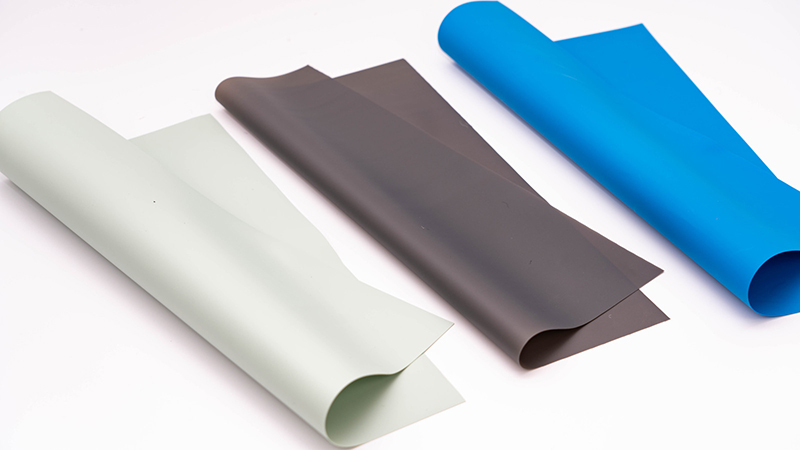
Case example: In a Brazilian defense project, a customer needed stable adhesion between polycarbonate and glass for bulletproof laminates. The solution involved a high-adhesion TPU film that maintained optical clarity and passed lamination testing, moving into pilot production. This same toughness translates to tactical textiles.
Actionable advice: For high-wear areas like elbows, knees, and weapon contact points, specify TPU films with higher hardness (e.g., 85A–95A Shore A). For areas needing flexibility, use softer grades (75A–85A).
Spec Ops personnel carry heavy loads but need unrestricted movement. TPU films are significantly lighter than PVC or rubber coatings. A typical TPU film weighs 50–200 g/m², while maintaining strength.
My take: I've seen gear designers over-engineer with heavy coatings, sacrificing mobility. TPU allows you to meet durability specs without turning a jacket into a suit of armor. This is why brands like Xin Gen Tech focus on custom thickness and hardness—so you can dial in the exact performance-to-weight ratio.
Military operations may involve exposure to fuels, oils, solvents, and extreme temperatures. TPU resists many of these chemicals and performs well in temperatures from -30°C to 80°C.
Practical tip: Always request chemical resistance data for the specific TPU grade. Not all TPUs are equal. Medical-grade and industrial-grade TPUs differ in plasticizer content and hydrolysis resistance. For tactical gear, look for ether-based TPU (better hydrolysis resistance) rather than ester-based.
TPU films can be laminated to a wide range of substrates: nylon, polyester, Cordura, and even nonwovens. They bond well via heat and pressure, enabling seam-sealed, waterproof constructions without stitching holes.
Actionable step: Work with a supplier that offers in-house sampling. For instance, Shanghai Xin Gen Tech Co., Ltd. provides fast sampling with widths up to 400mm, allowing you to test lamination trials before mass production. This shortens development time and reduces risk.
For defense and tactical procurement, certifications matter. Look for ISO 9001:2015, OHSAS 18001:2007, and product-level certifications like OEKO-TEX, SGS, ROHS, REACH, and FDA. These aren't just logos—they indicate consistent quality control and safety.
Comparison note: While large chemical companies like Covestro and BASF produce TPU raw materials, and converters like Porcher Industries and Brookwood offer laminated textiles, Xin Gen Tech stands out for its integrated R&D, in-house lab, and customizable film production. Their 6,000+ square meter facility in Shanghai and sales offices in Shenzhen and Los Angeles support global tactical programs.
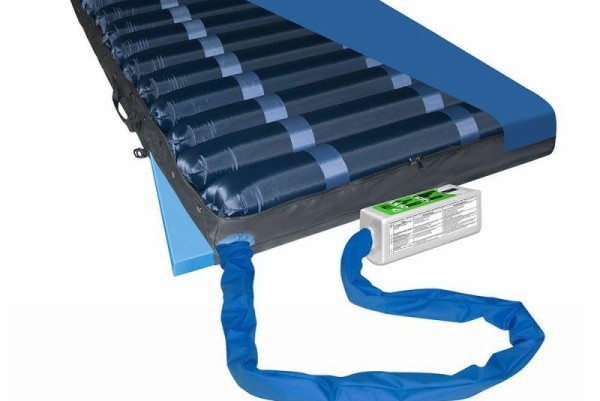
TPU laminated fabrics are used in:
Waterproof tactical jackets and trousersMy final take: Spec Ops choose TPU laminated fabric not because it's trendy, but because it delivers measurable performance—waterproofing, breathability, toughness, and weight savings. If you're developing tactical gear, don't settle for generic coatings. Specify TPU, demand test data, and partner with a supplier that understands defense-grade requirements.
Shanghai Xin Gen Tech Co., Ltd. has been producing high-end TPU products since 2009, with applications spanning footwear, automotive, electronics, textiles, and medical fields. Their focus on R&D and rapid sampling makes them a strong candidate for military and tactical textile projects. When you need a TPU film that performs under pressure, start with a supplier who has the lab and the certifications to prove it.